April 30, 2026
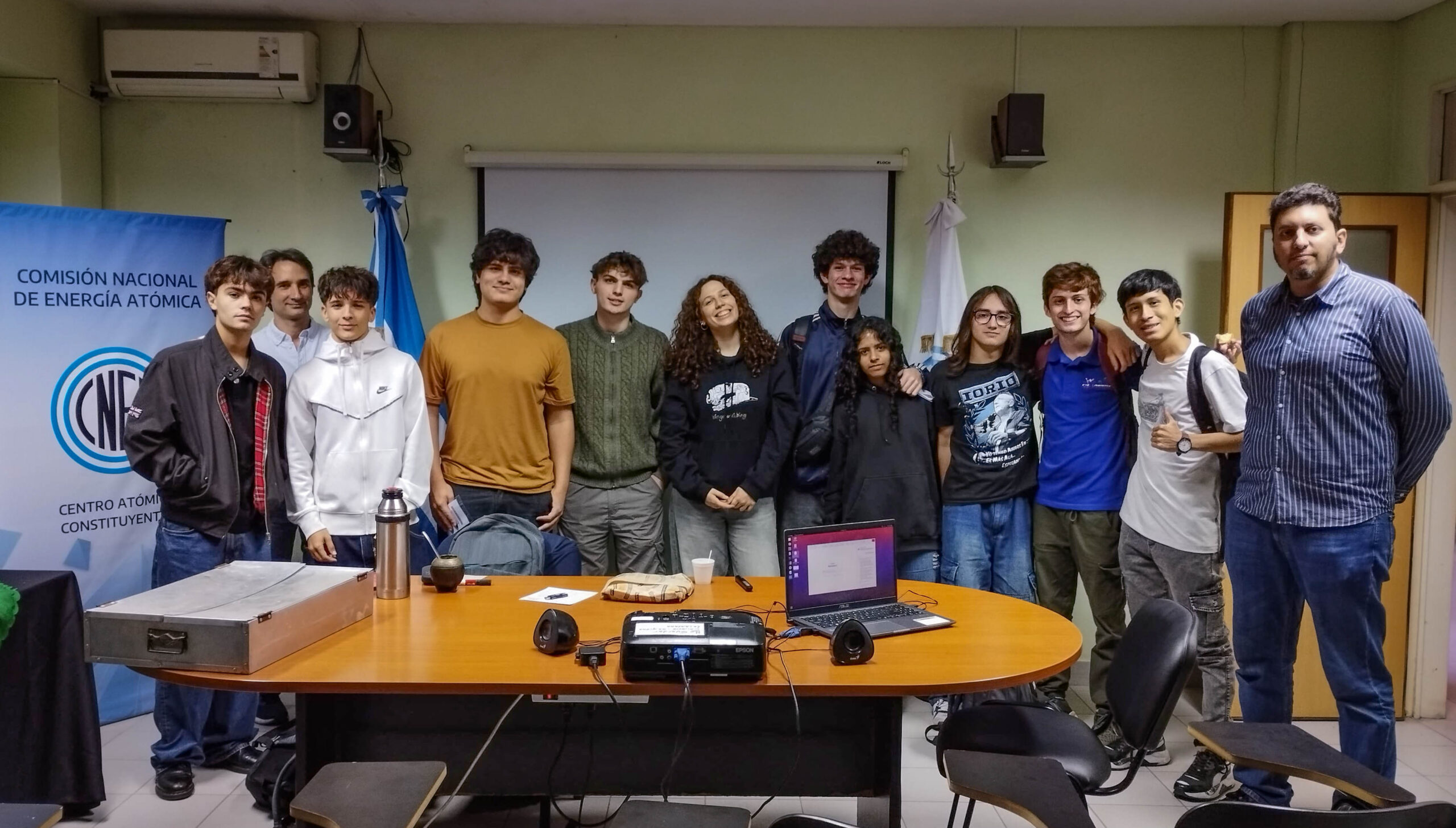
Specialists from ITeDA and the Pierre Auger Collaboration led the activity, which was held for the second consecutive year at the Centro Atómico Constituyentes of the National Atomic Energy Commission (CNEA).
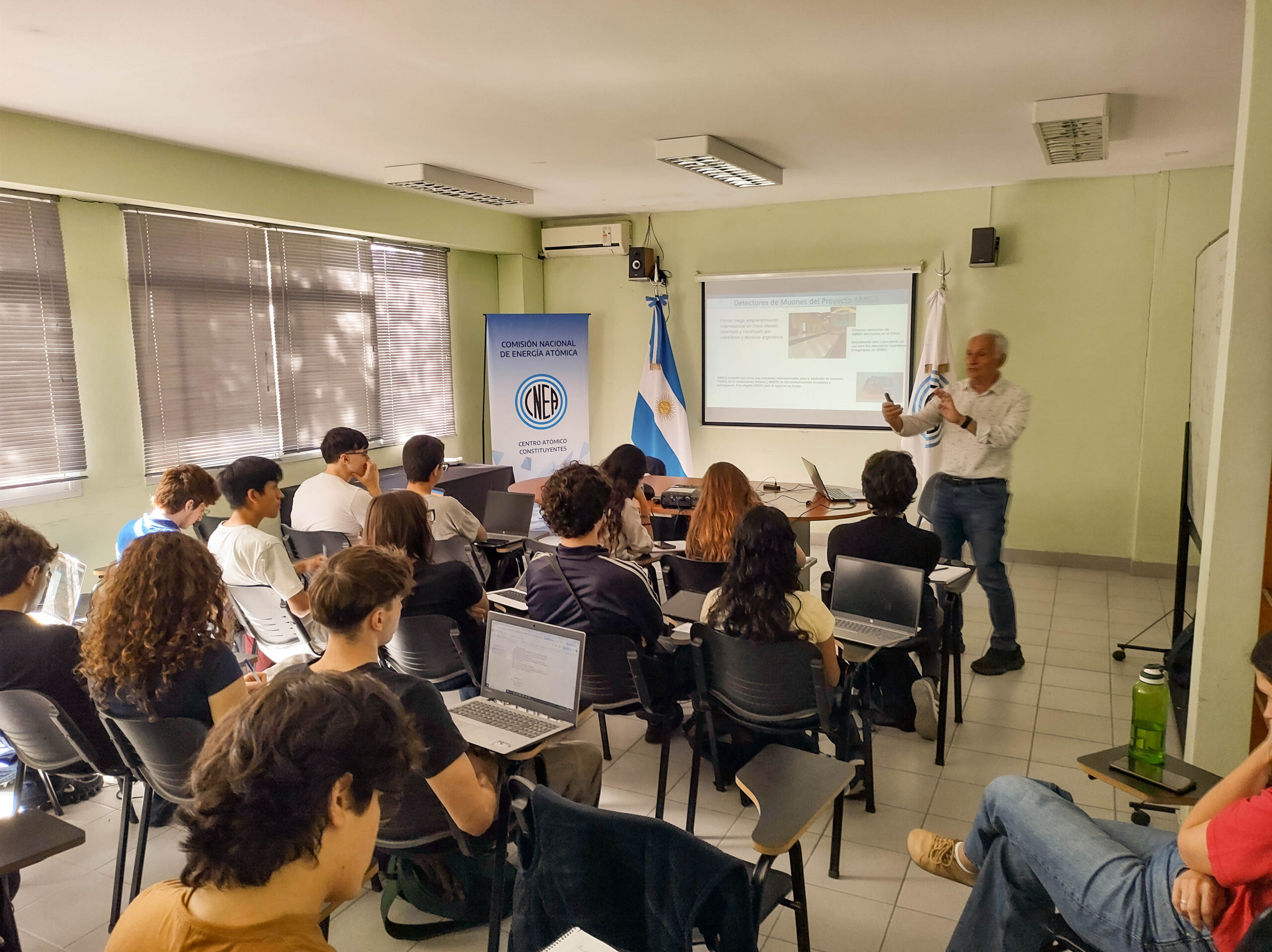
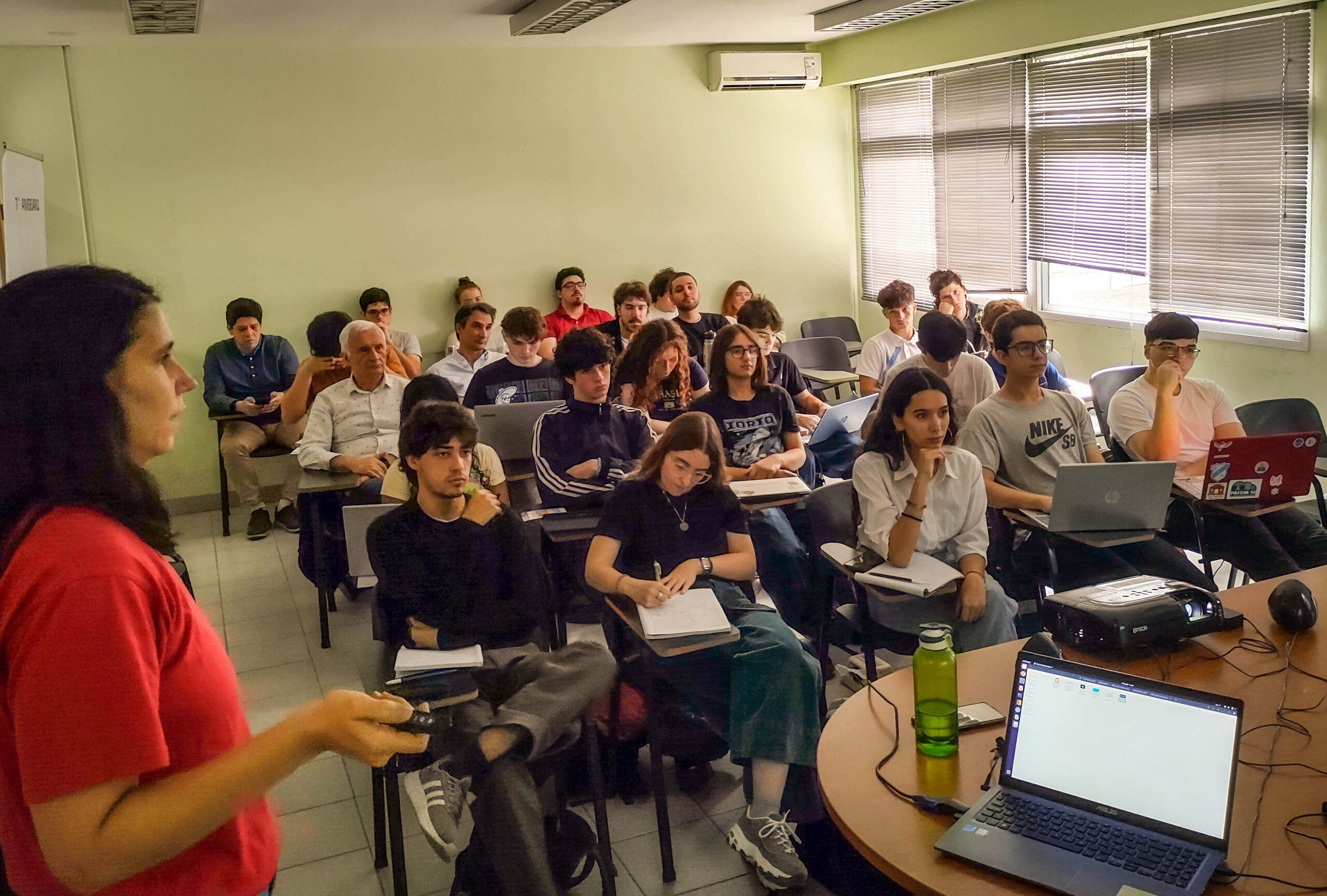
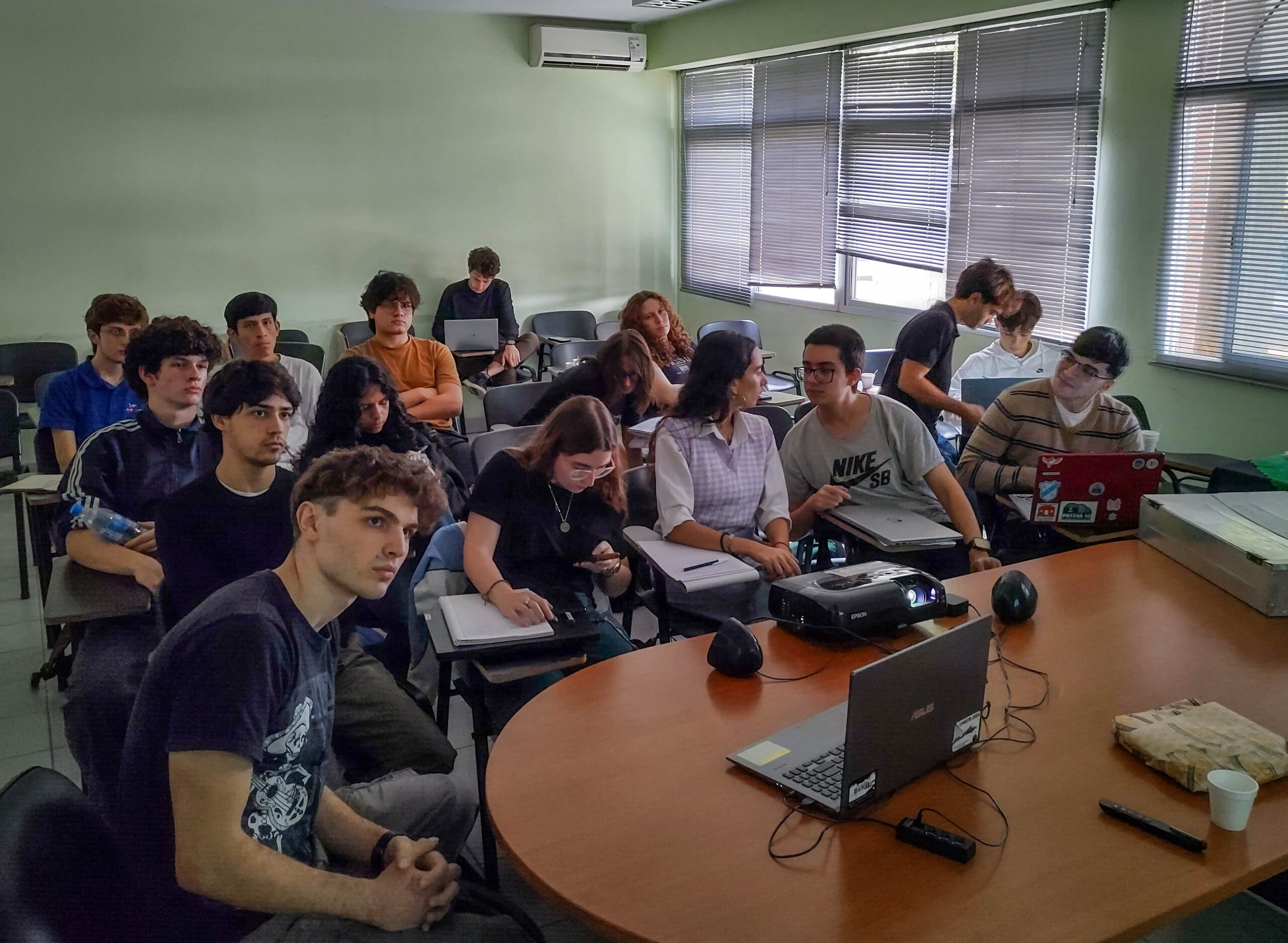
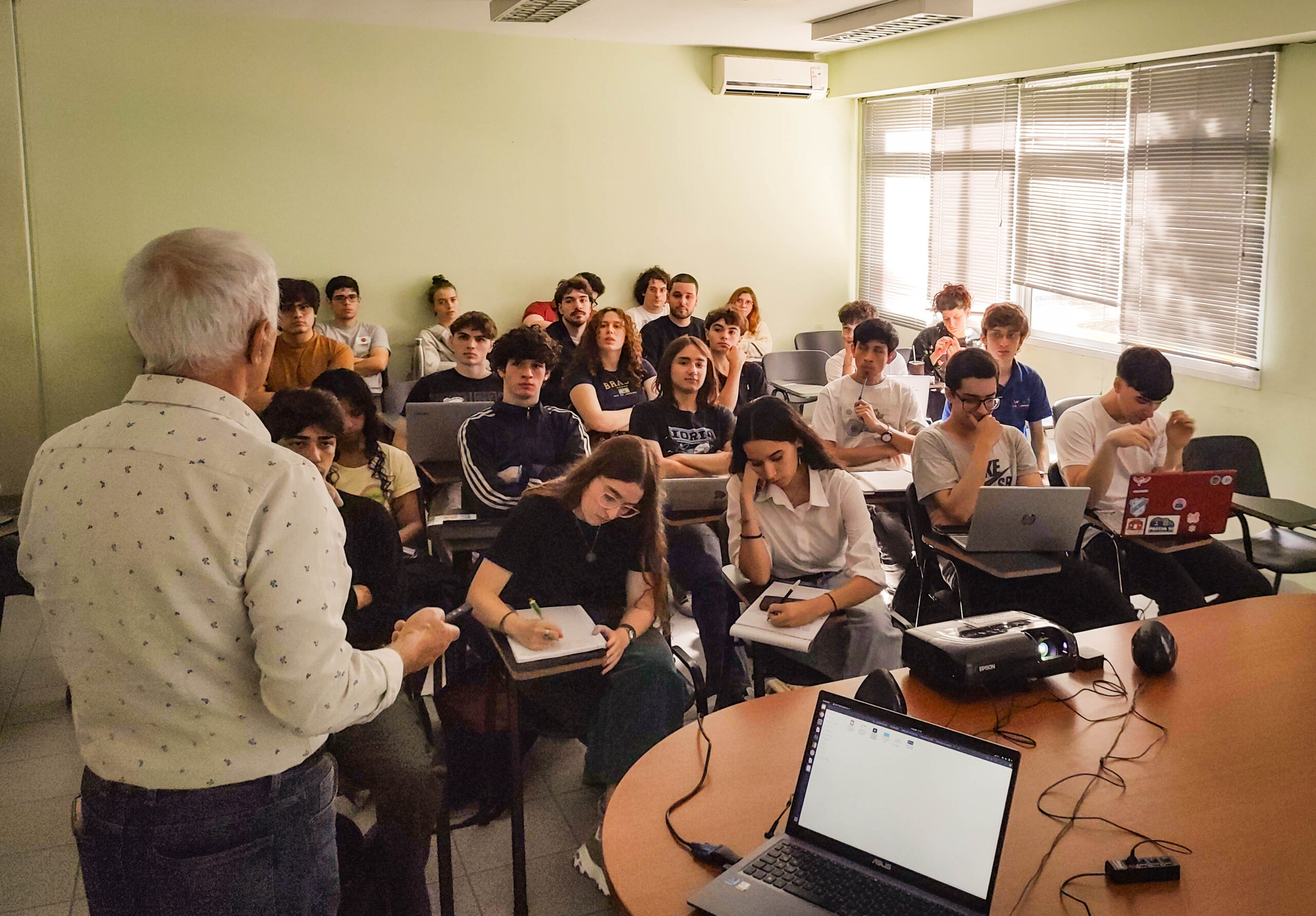
On April 17, a new Masterclass took place with the participation of 16 students from the Colegio Nacional de Buenos Aires and from the first years of the Physics degree program at the University of Buenos Aires (UBA). The initiative offers a full-day experience designed to bring science closer to younger generations, with a focus on astrophysics and cosmology.
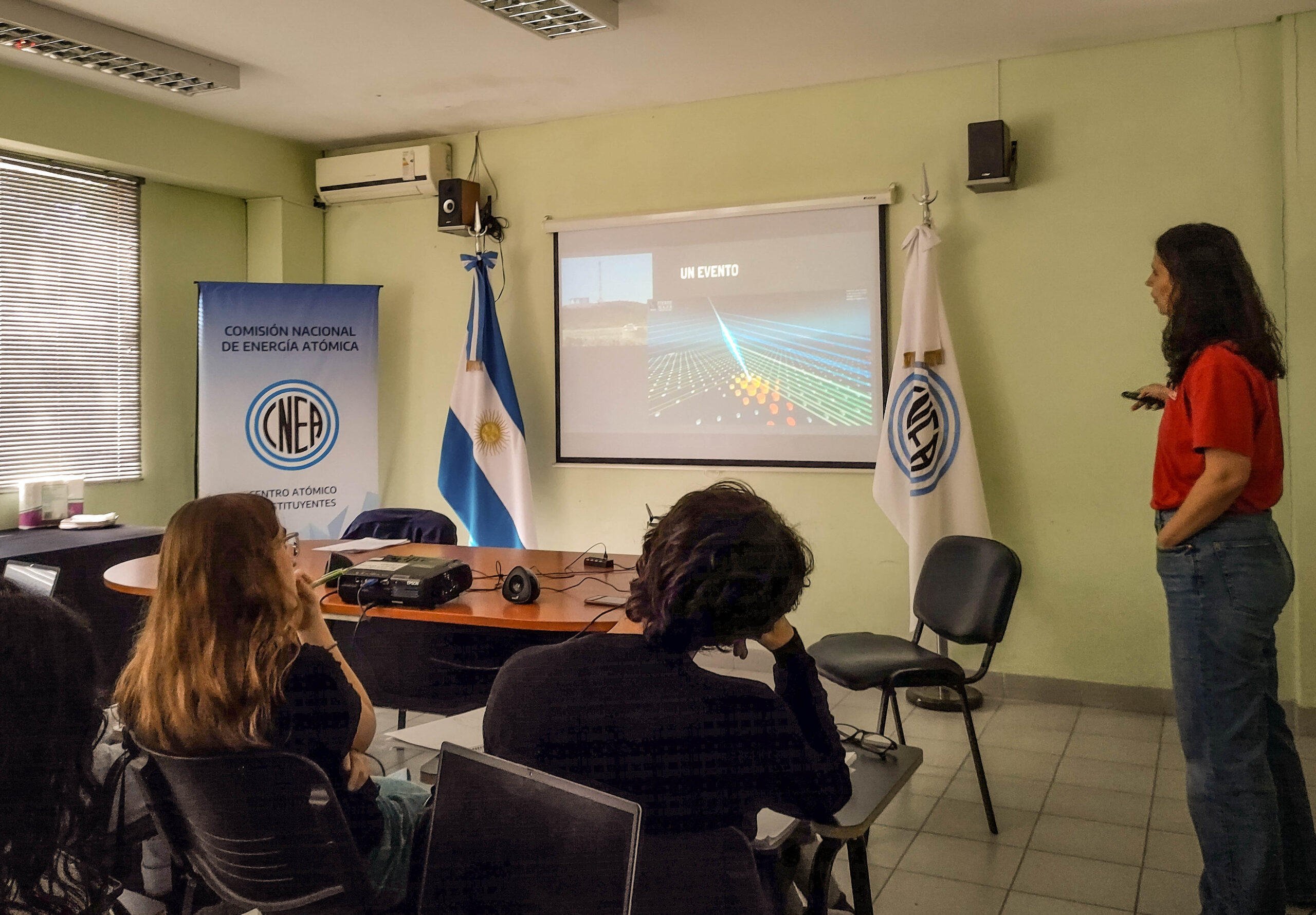
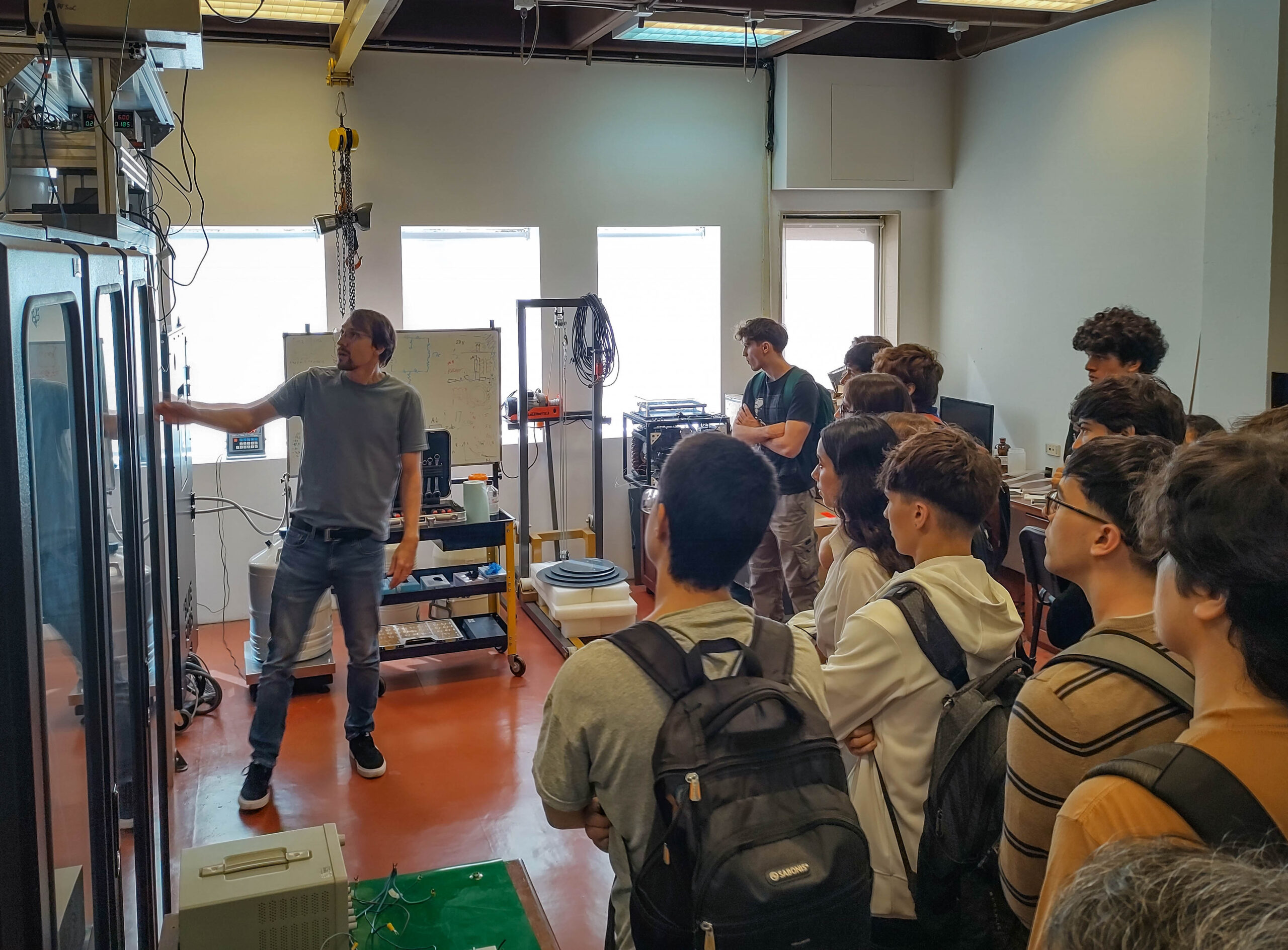
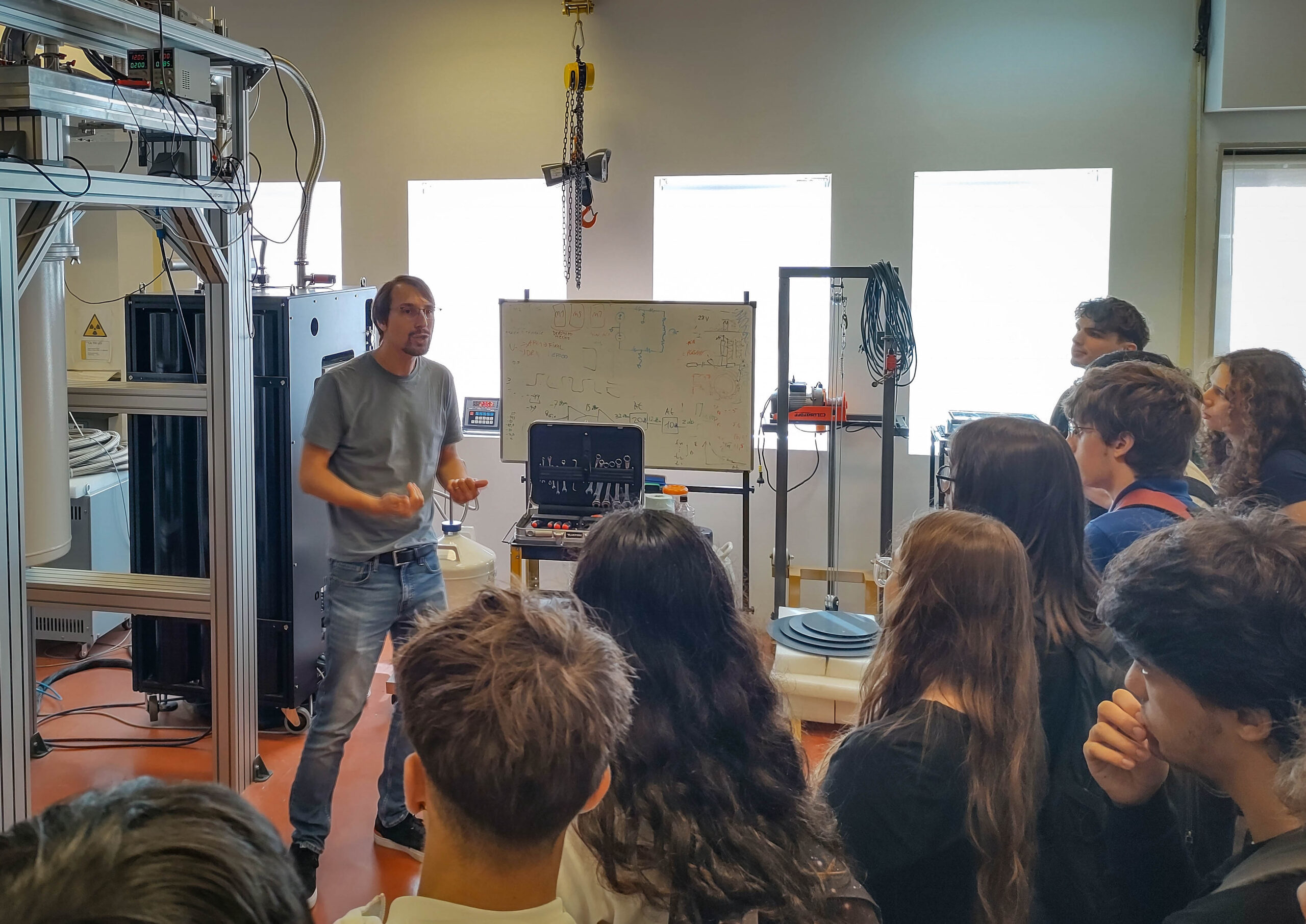
In the morning, students attended a series of talks on cosmic rays, the Pierre Auger Observatory, and major international scientific collaborations based in Argentina in which ITeDA is involved. After lunch, they toured the institute’s facilities at the Centro Atómico Constituyentes, including the cryogenics laboratory, where they learned about experiments such as the QUBIC Observatory—located in Salta—as well as other research lines developed at the institute.
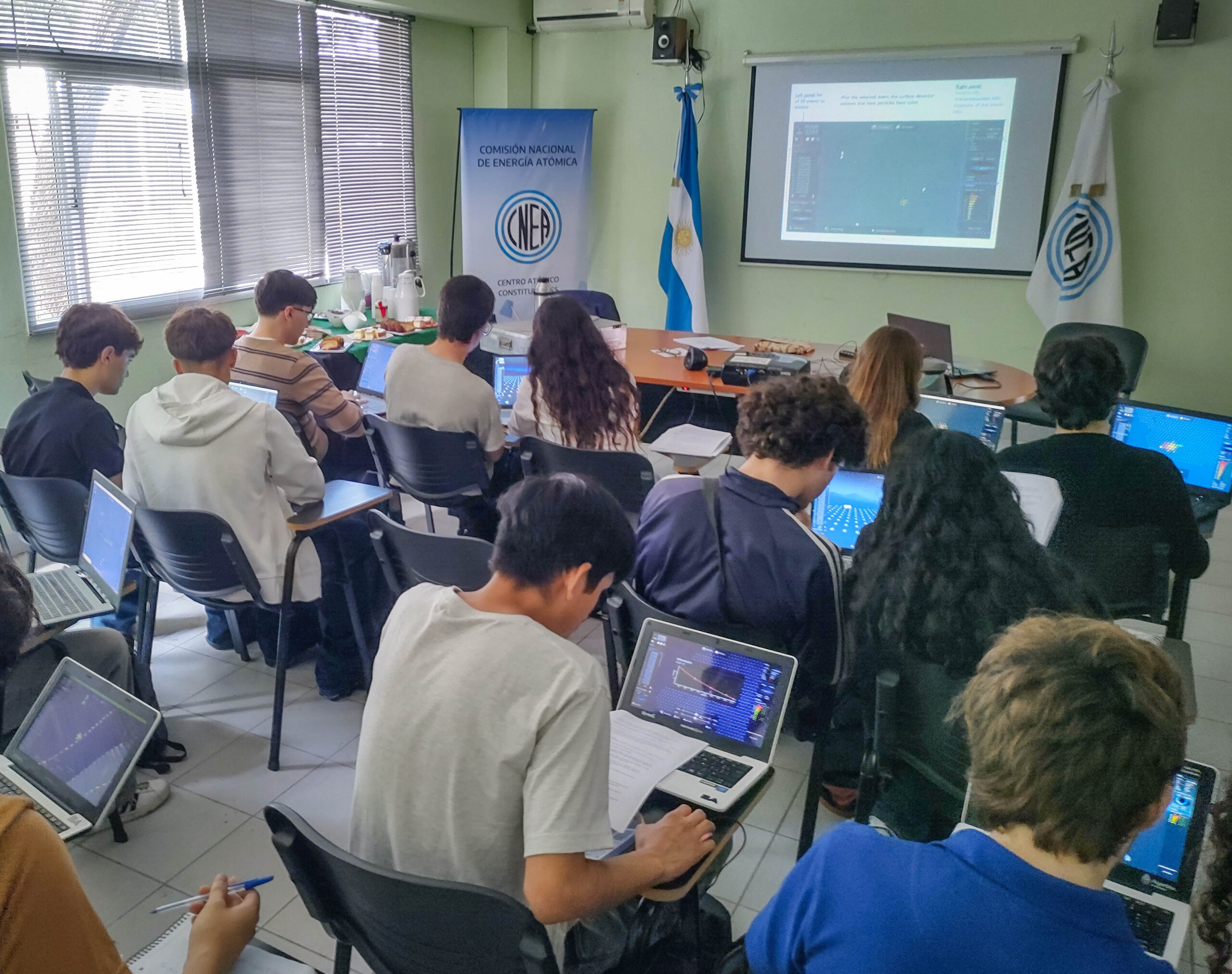
In the afternoon, participants worked under the supervision of a team of researchers on exercises involving the analysis of real data collected by the Pierre Auger Observatory, with the aim of determining the regions of the sky from which cosmic rays originate.
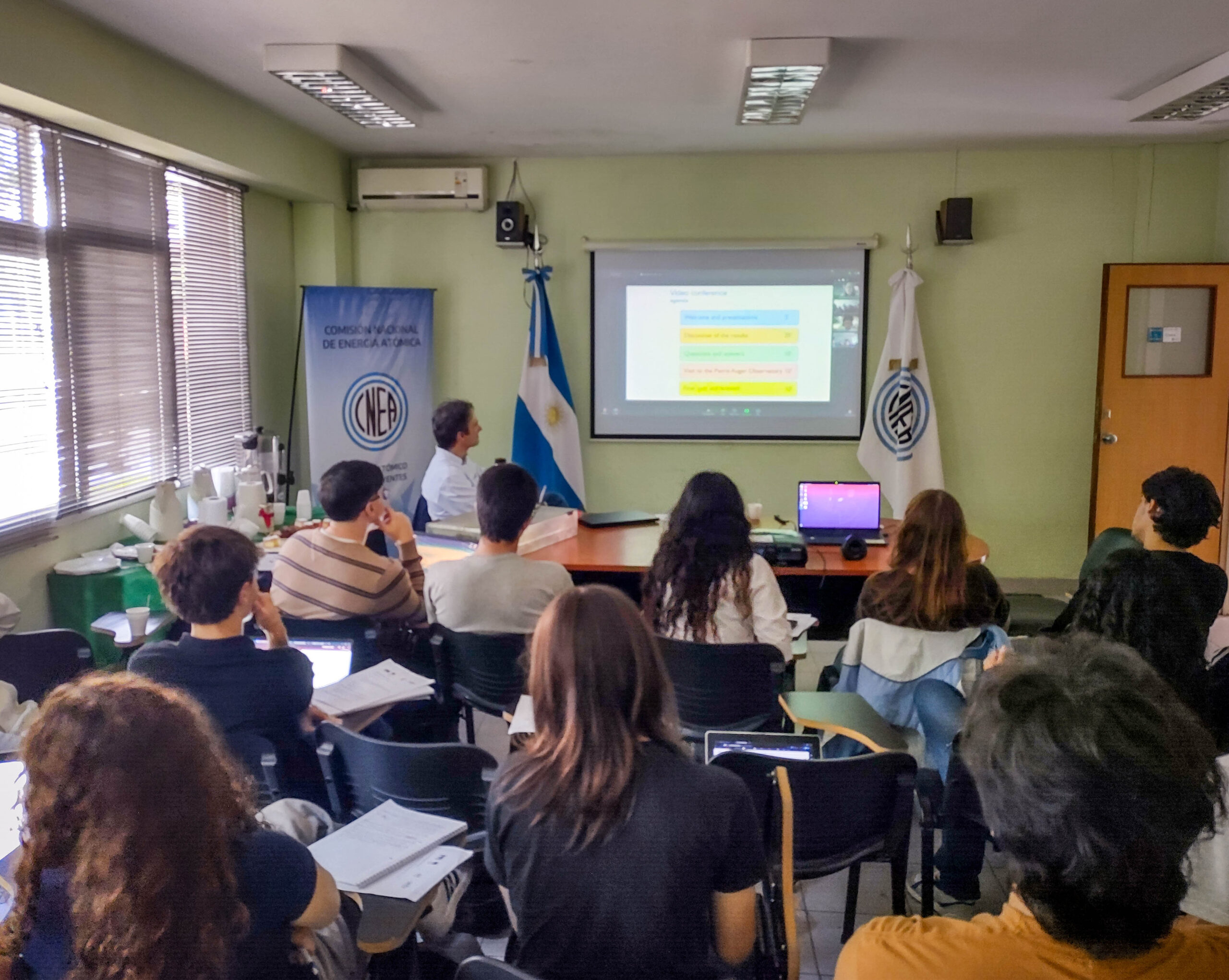
At the end of the day, students joined a virtual session with an expert, who guided them through a remote tour of the Pierre Auger Observatory facilities, located in Malargüe, Mendoza.
From ITeDA, the activity was carried out by specialists Nicolás González, Belén Andrada, Alberto Etchegoyen, Diego Ravignani, Matías Hampel, Juan Manuel Figueira, and Gabriel Brichetto.
About the Pierre Auger Observatory Masterclasses
Since 2022, the Pierre Auger Observatory has organized international masterclasses for high school students worldwide as part of the International Masterclasses (IMC) program, coordinated by the International Particle Physics Outreach Group (IPPOG). These activities have already been held in Europe, Africa, and Asia, and in 2025 they were organized in the Americas for the first time.
During the program, students aged 15 to 18 spend a full day at universities or research institutes, where they learn about particle and astroparticle physics, as well as about the Pierre Auger Observatory. They also analyze publicly available data from the observatory to explore the question: “What is the origin of ultra-high-energy cosmic rays?”
Afterwards, participants join an international videoconference with students from other locations and scientists from the observatory in Malargüe, where they share their results and take part in a virtual tour of the facilities.
The Pierre Auger Observatory was inaugurated in 2004. Since then, it has collected data that has led to significant advances in the understanding of the highest-energy phenomena in the universe, as well as important contributions across several scientific fields. The project is also notable for its outreach activities and its efforts to inspire scientific vocations among young people.