HERON project
HERON (Hybrid Elevated Radio Observatory for Neutrinos) is an innovative research and development (R&D) project dedicated to the search for ultra-high-energy astrophysical neutrinos—one of the most elusive and energetic elementary particles reaching Earth from space. Their detection could provide a major contribution to a new way of doing astronomy: multi-messenger astronomy of the universe.
This observatory is promoted by an international collaboration of specialists from the National Atomic Energy Commission (CNEA, Argentina), the Institut d’Astrophysique de Paris and Sorbonne University (France), the Instituto Galego de Física de Altas Enerxías (IGFAE, Spain), and Pennsylvania State University (United States). It will be installed in the province of San Juan, in the foothills of the Argentine Andes, positioning Argentina as the host of a scientific project with global impact.
What does it consist of?
The project involves the design and construction of a next-generation ultra-high-energy neutrino observatory aimed at studying the internal mechanisms of the most violent astrophysical sources in the universe.
To achieve this, the scientists behind HERON have conceived a unique hybrid design, capable of detecting signals in a nearly unexplored energy range for neutrinos—those above 10¹⁶ electronvolts (eV).
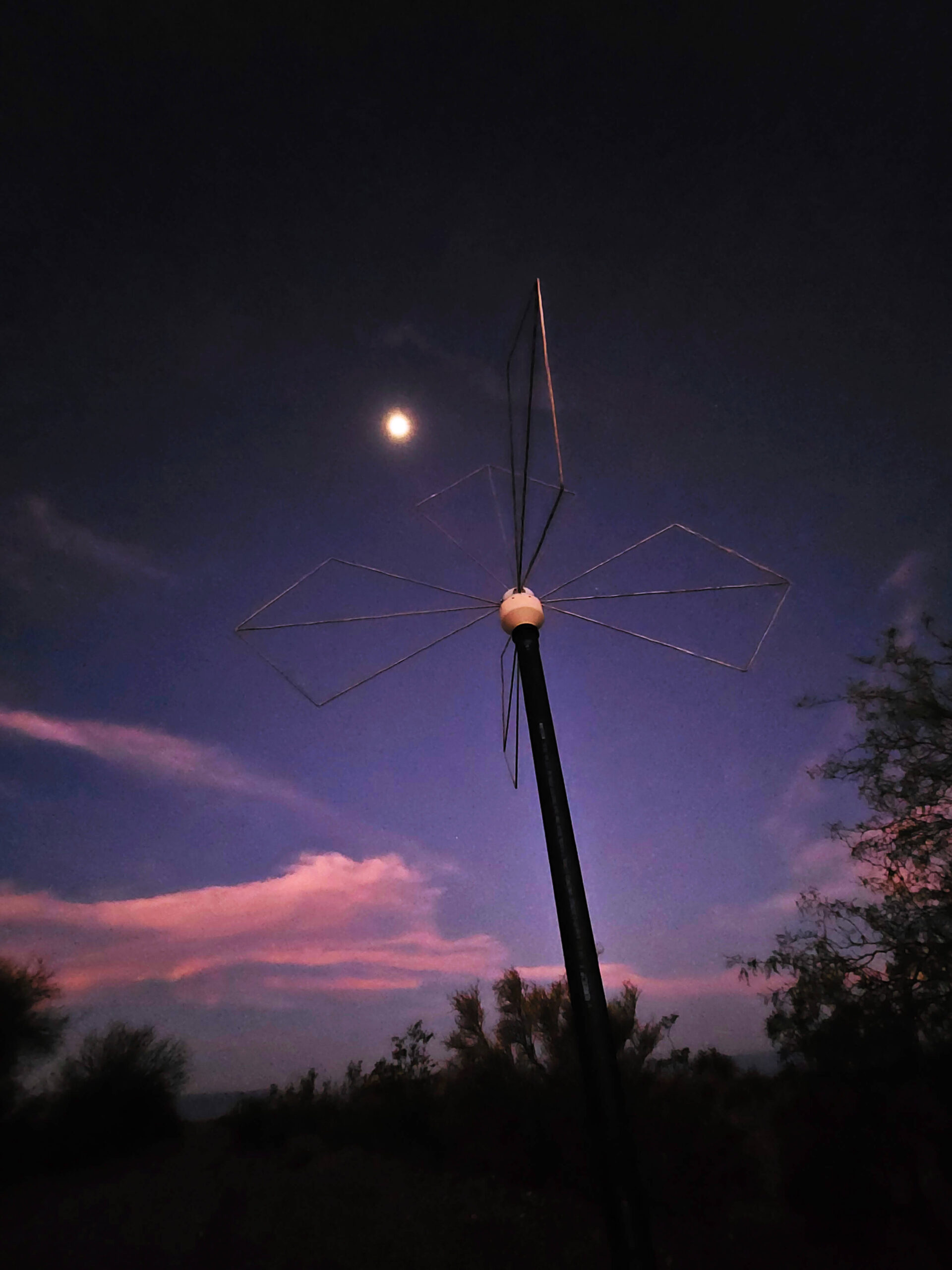
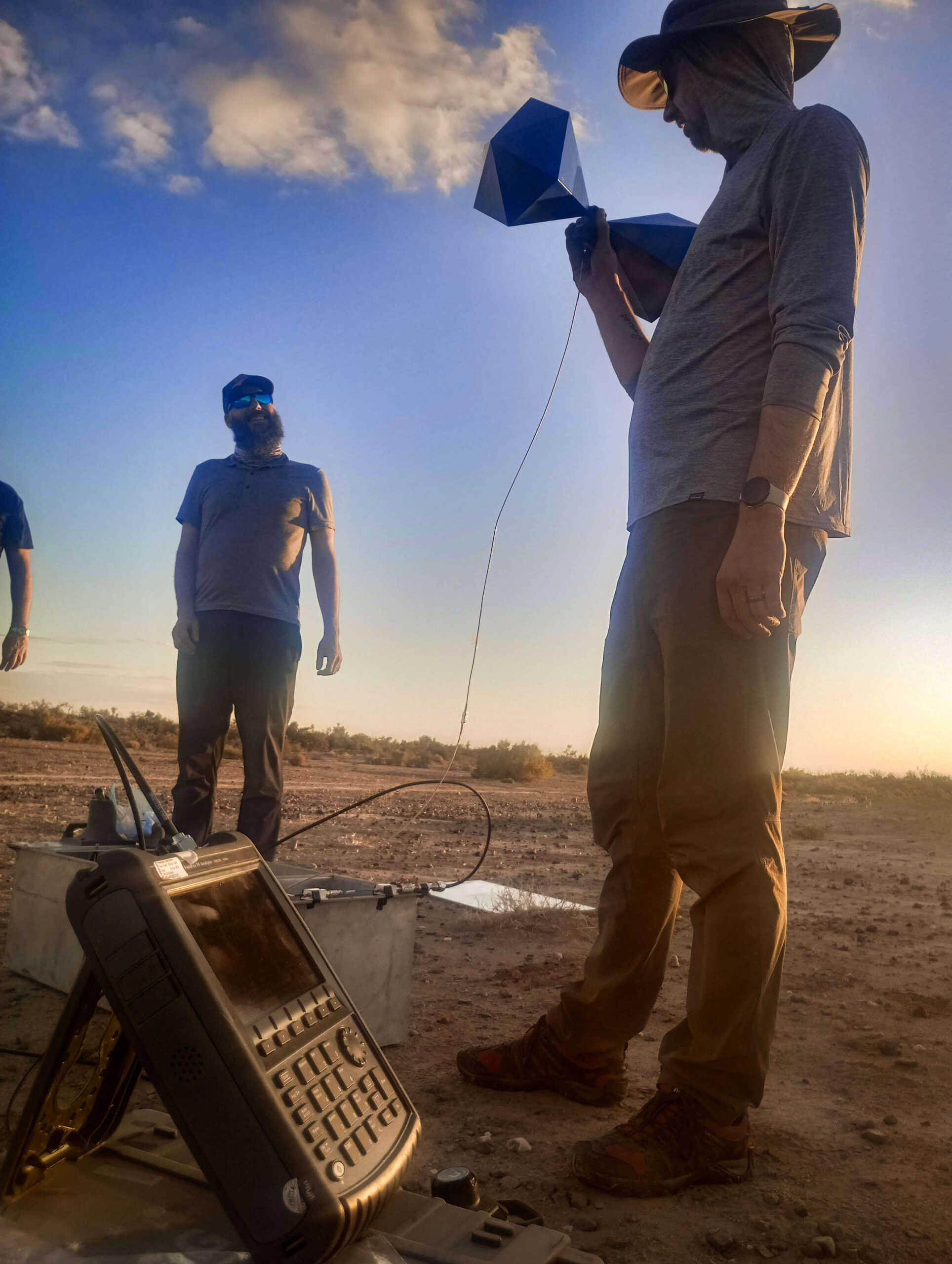
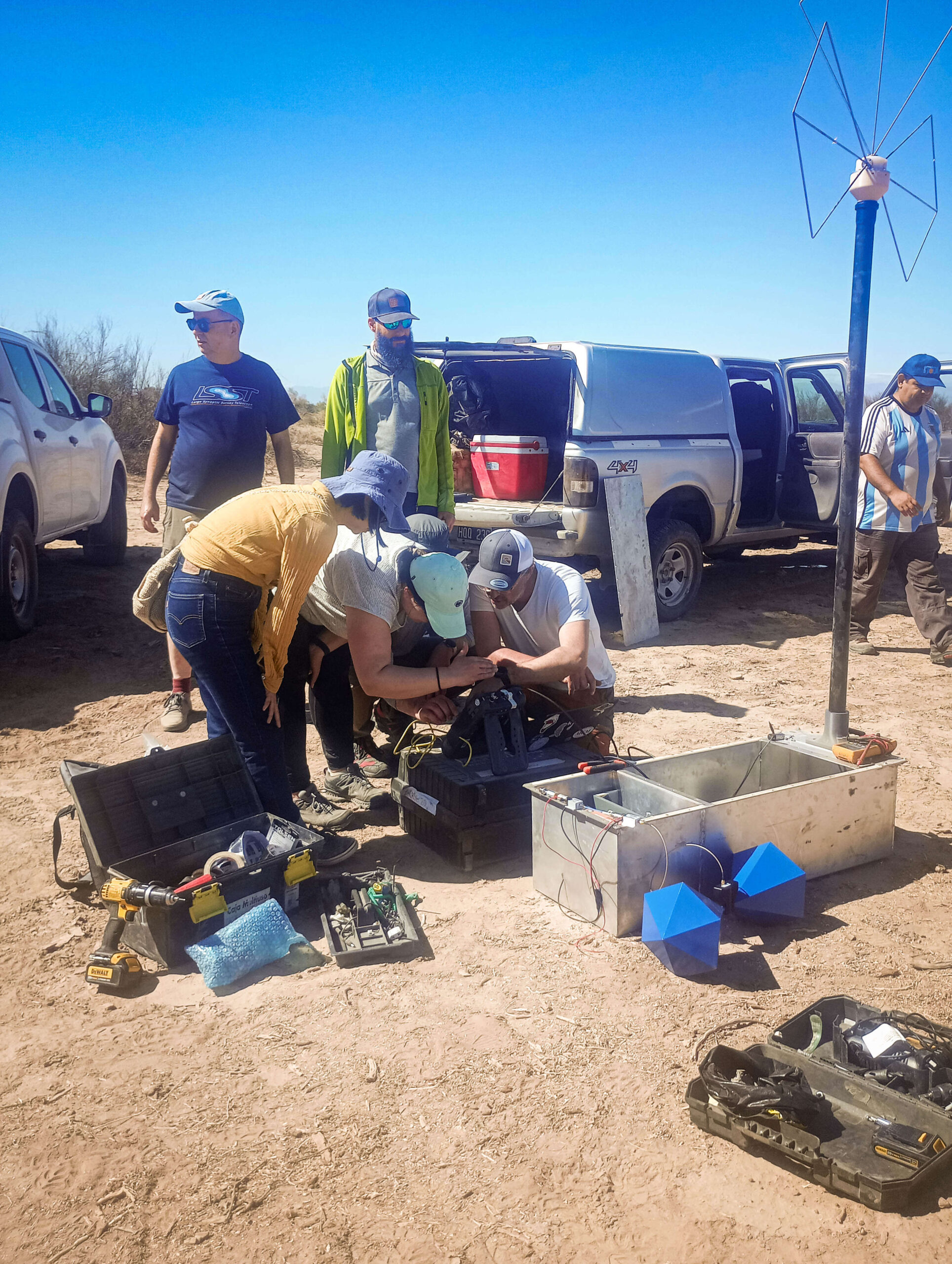
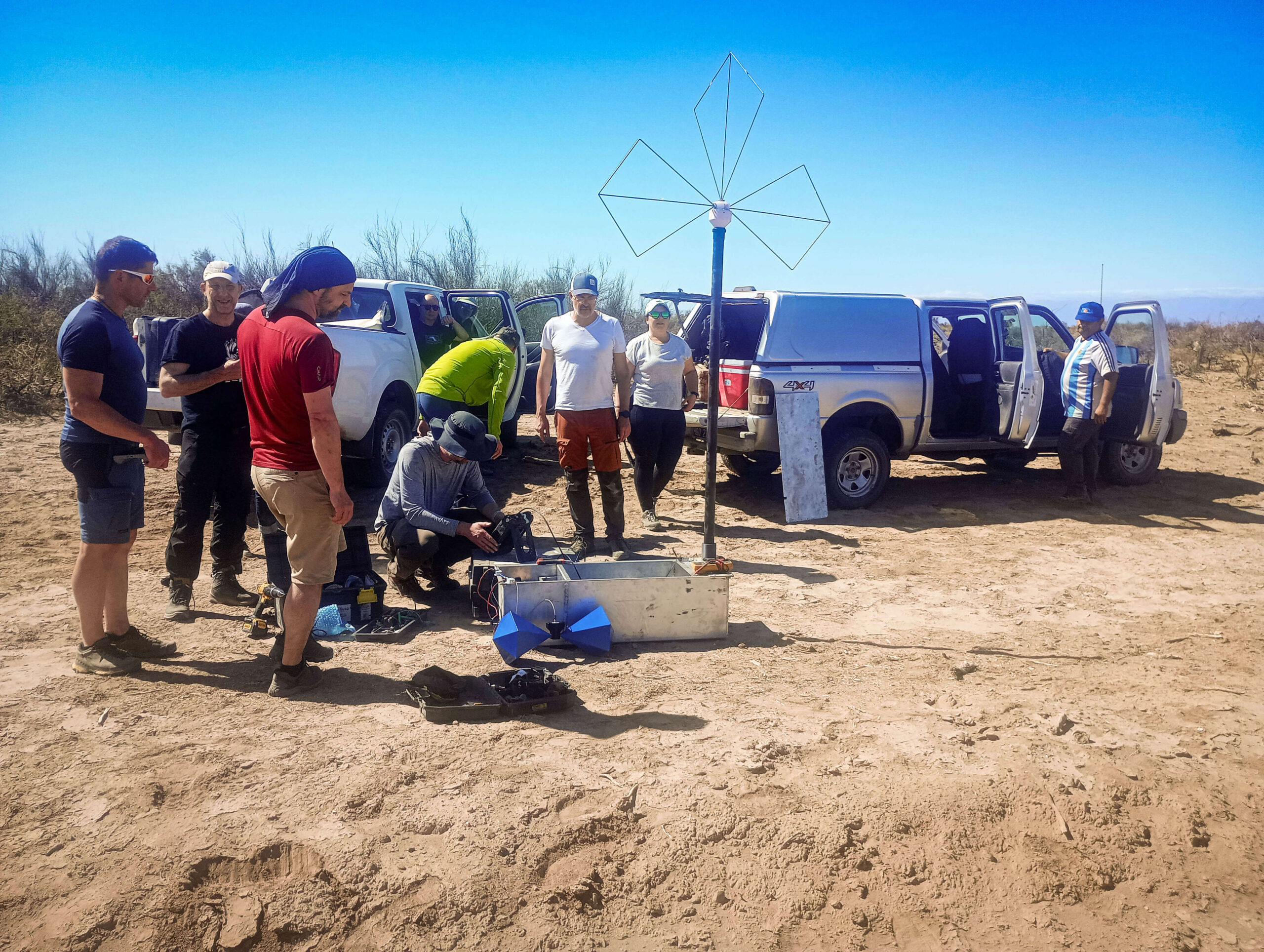
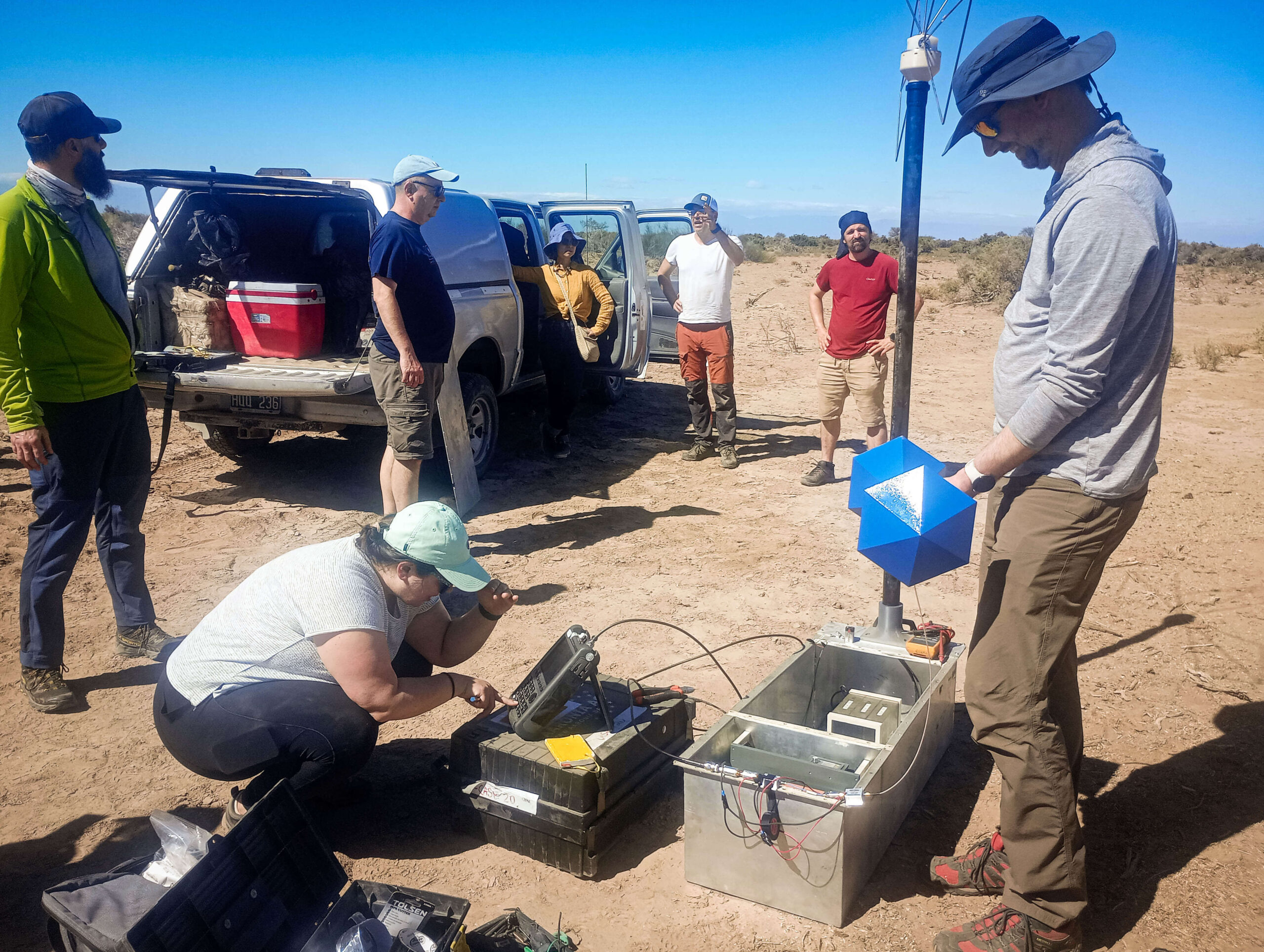
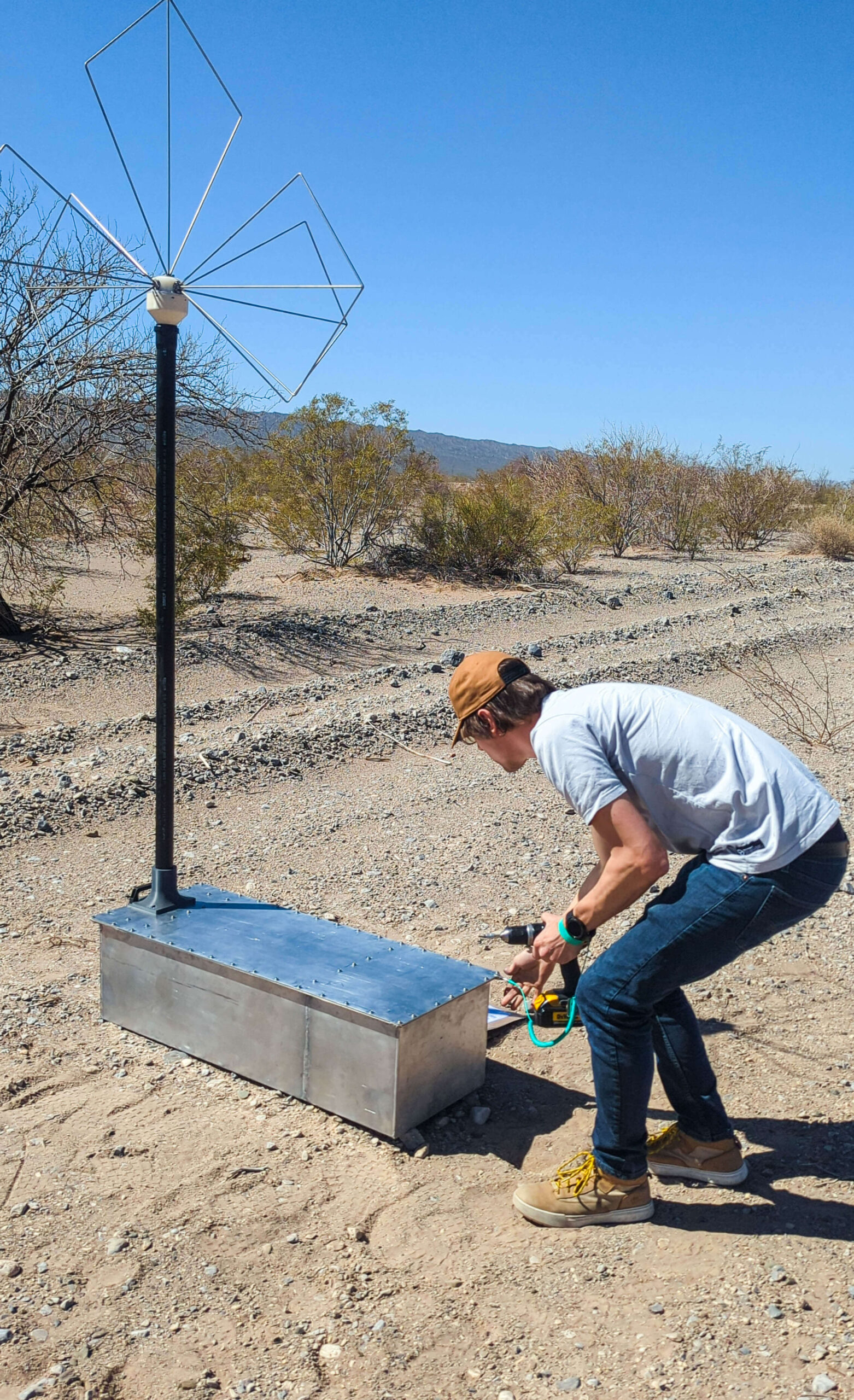
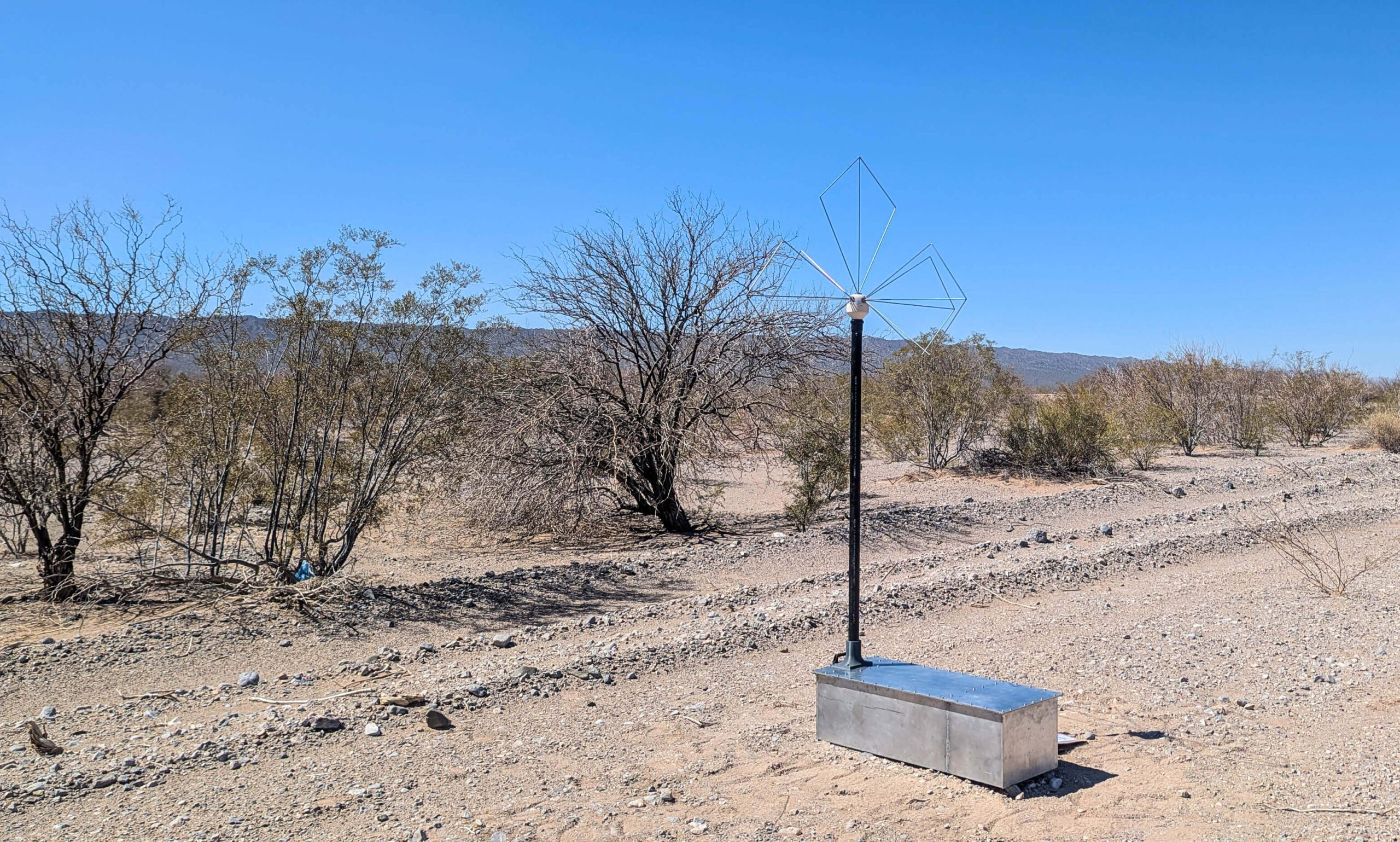
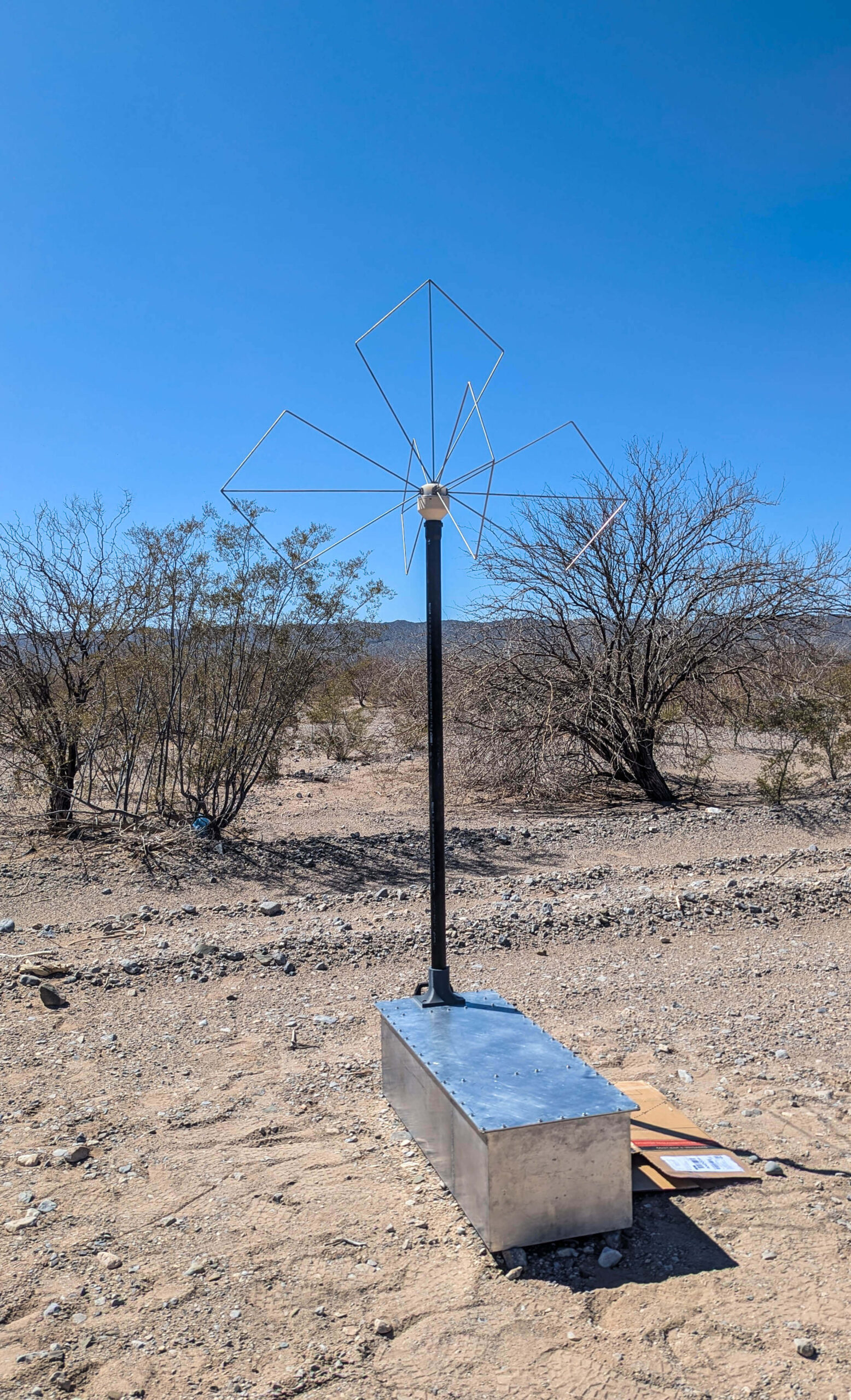
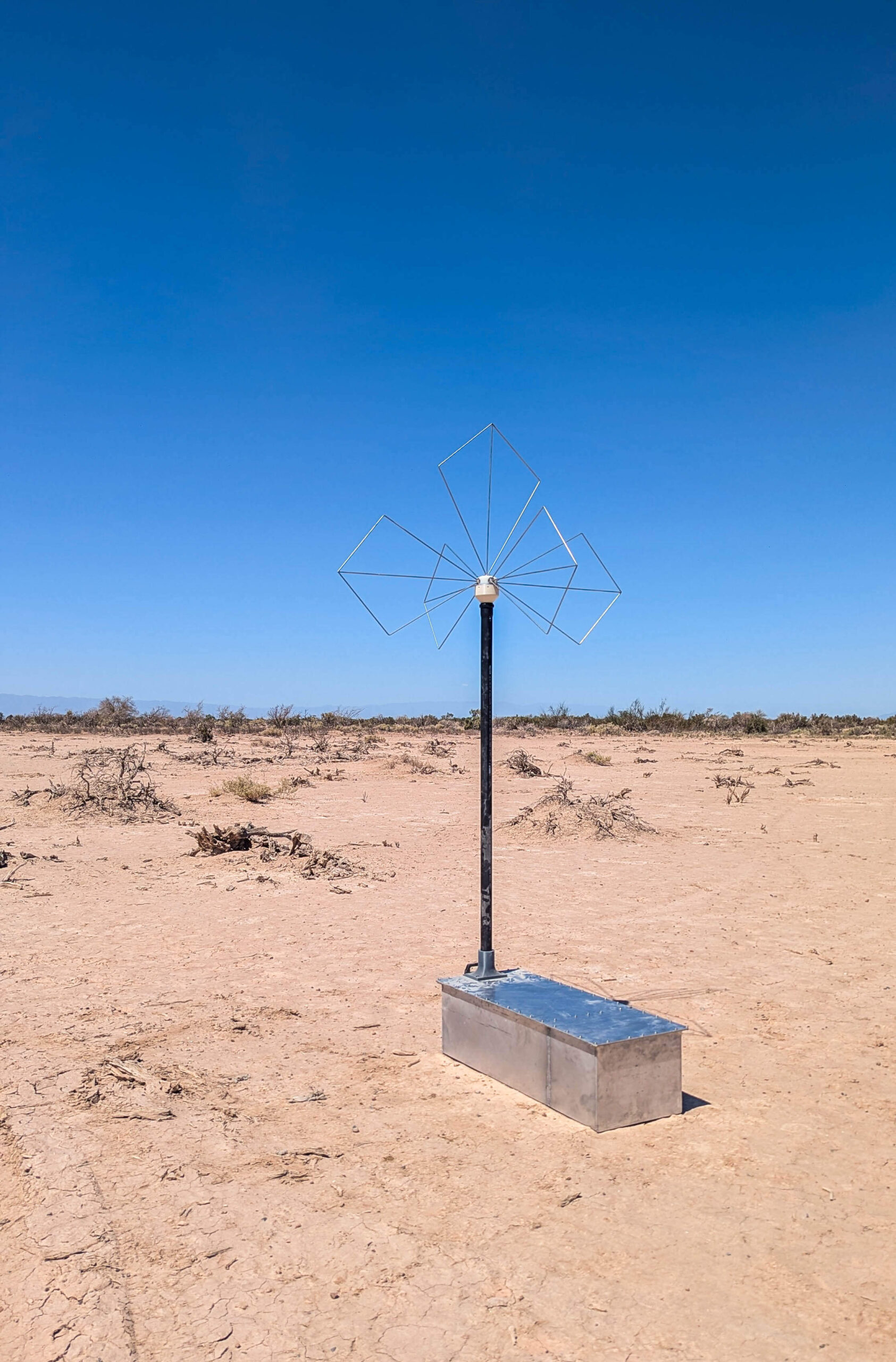
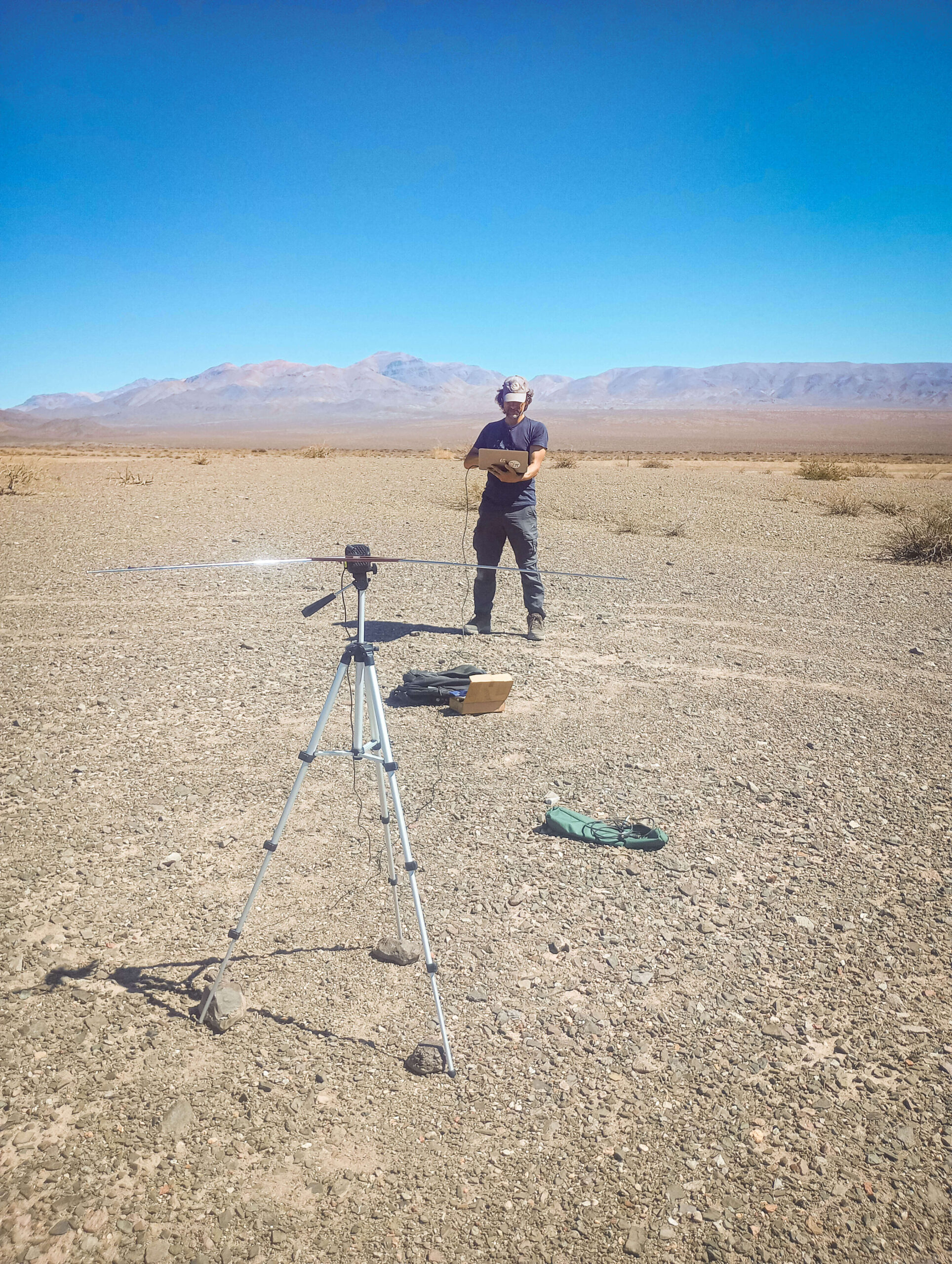
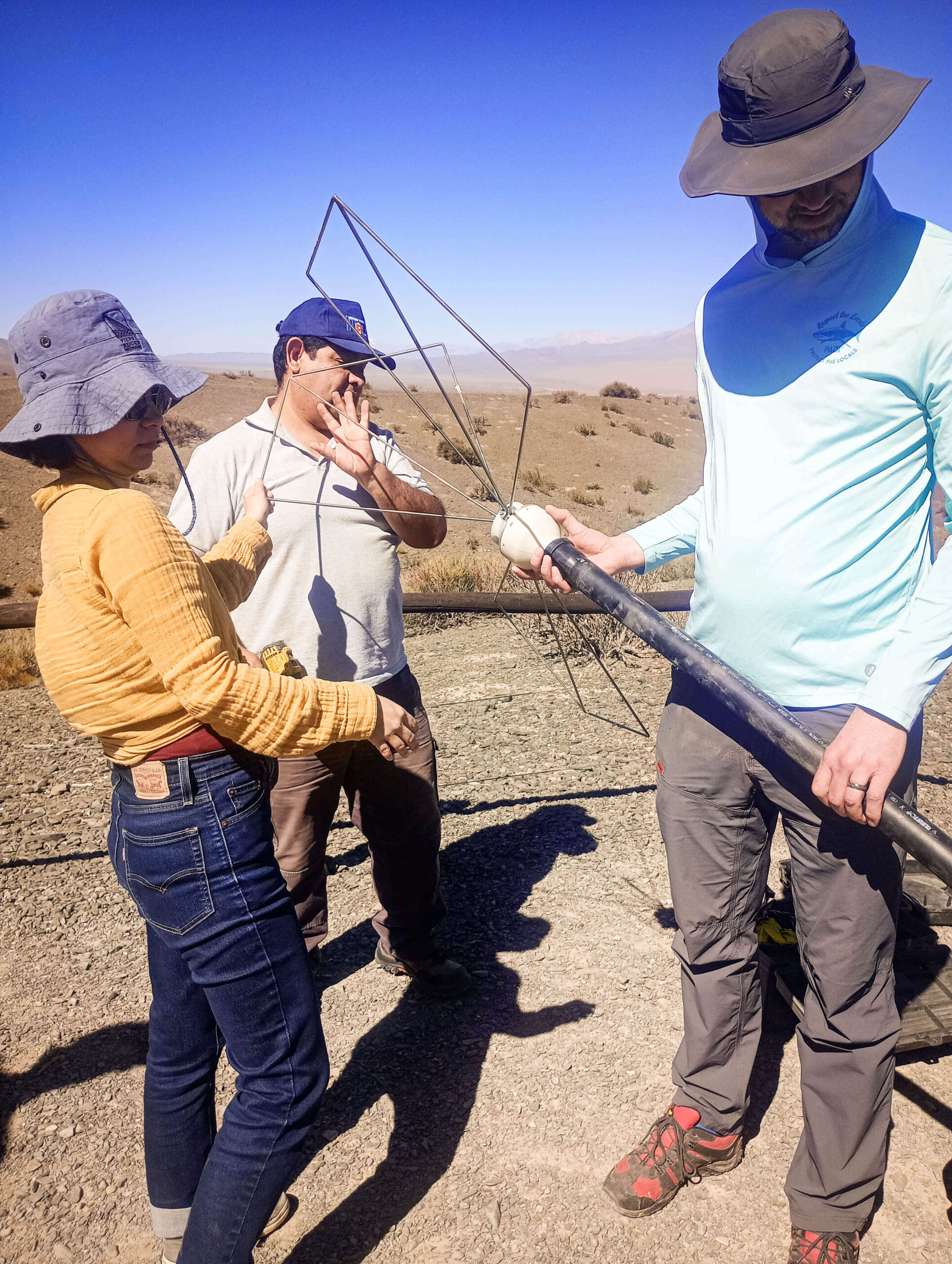
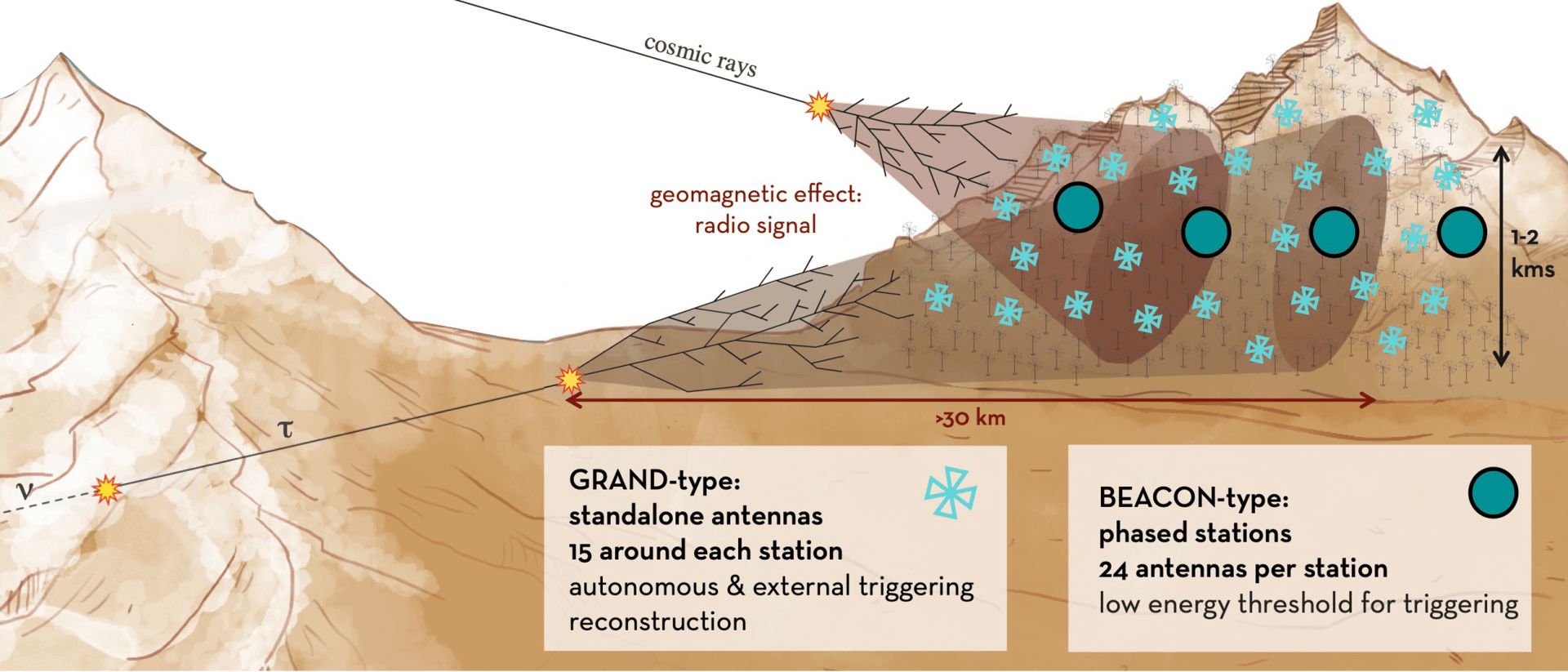
The proposal combines two complementary radio detection techniques to enable simultaneous observation. The first consists of 24 compact stations (inspired by the technology of a predecessor project called BEACON), installed at an approximate altitude of 1,000 meters. Each station will include an array of 24 antennas spaced 10 meters apart, operating in phase.
The second technique involves 360 more widely distributed autonomous stations (inspired by the approach of the GRAND project), deployed along a mountainside at elevations between approximately 1,000 and 2,000 meters above sea level.
Where will it be installed?
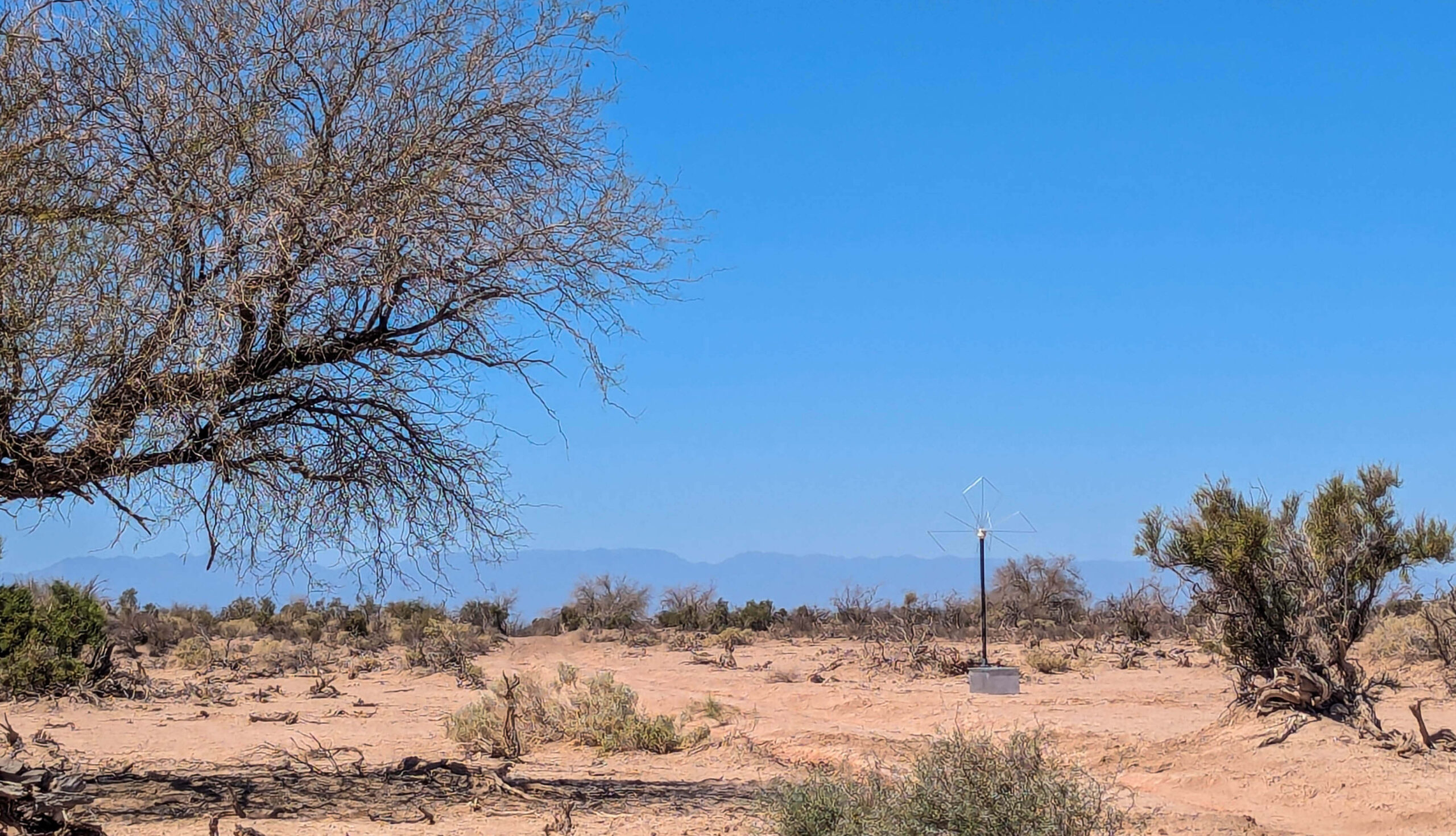
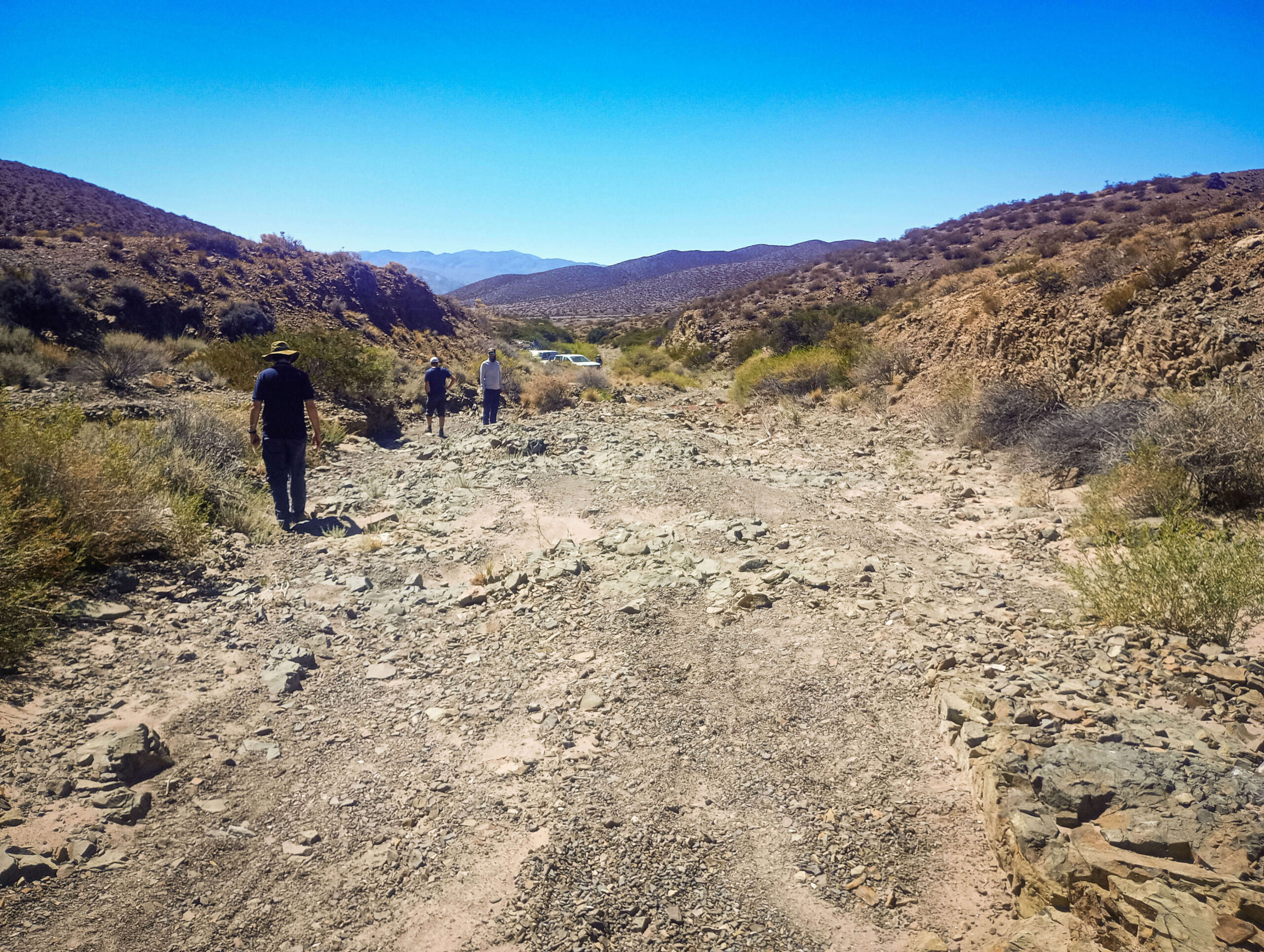
Detecting ultra-high-energy neutrinos with the technology proposed in HERON requires very specific topographic and atmospheric conditions. One of the few places in the world that meets these requirements is located in the province of San Juan, between the Andes mountain range and the Valle Fértil range.
This is a valley several kilometers long, situated between two mountain ridges. One of them acts as a natural filter, allowing only neutrinos associated with cosmic rays to generate particle showers that can be detected by the observatory, whose stations will be installed on the opposite ridge.
The site also meets another key requirement: minimal electromagnetic pollution -that is, a low level of anthropogenic radio noise- which will enable more sensitive detection of the faint signals produced by ultra-high-energy neutrinos.
Why do we search for neutrinos?
Detecting ultra-high-energy neutrinos -above 10¹⁶ eV- is one of the major challenges of modern multi-messenger astronomy. Since they carry no electric charge, these particles travel through the universe with almost no deflection. As a result, their arrival directions on Earth point back to their sources.
Because they are produced in the most extreme astrophysical environments—such as the merger of compact binary systems (neutron stars or black holes) or in young magnetars—neutrinos act as direct messengers of the most energetic and, so far, poorly understood phenomena in the universe.