April 8, 2026
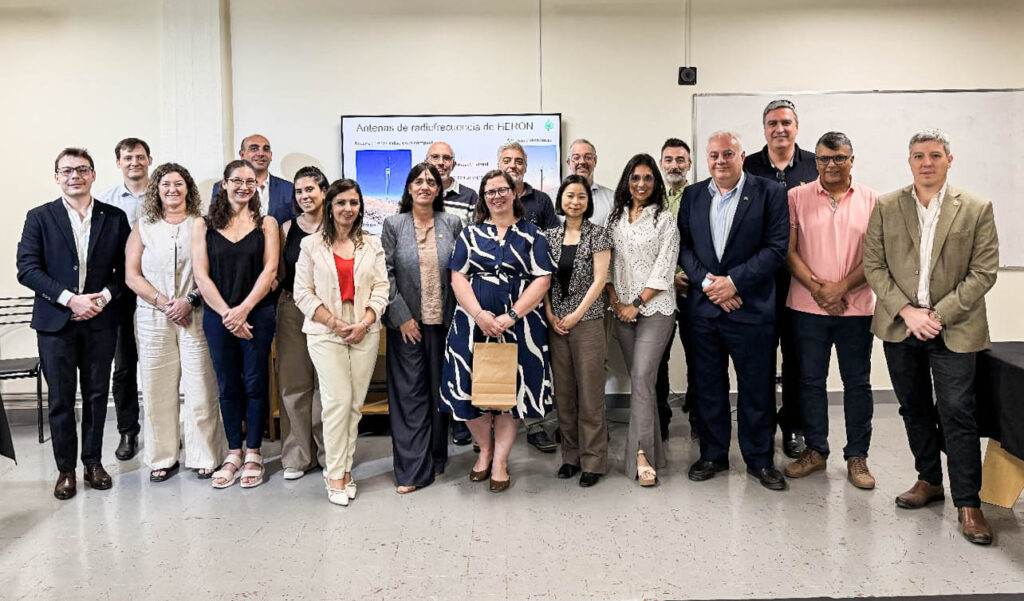
National and international leaders of the HERON project met with authorities from San Juan to advance the roadmap and foster new collaborations.
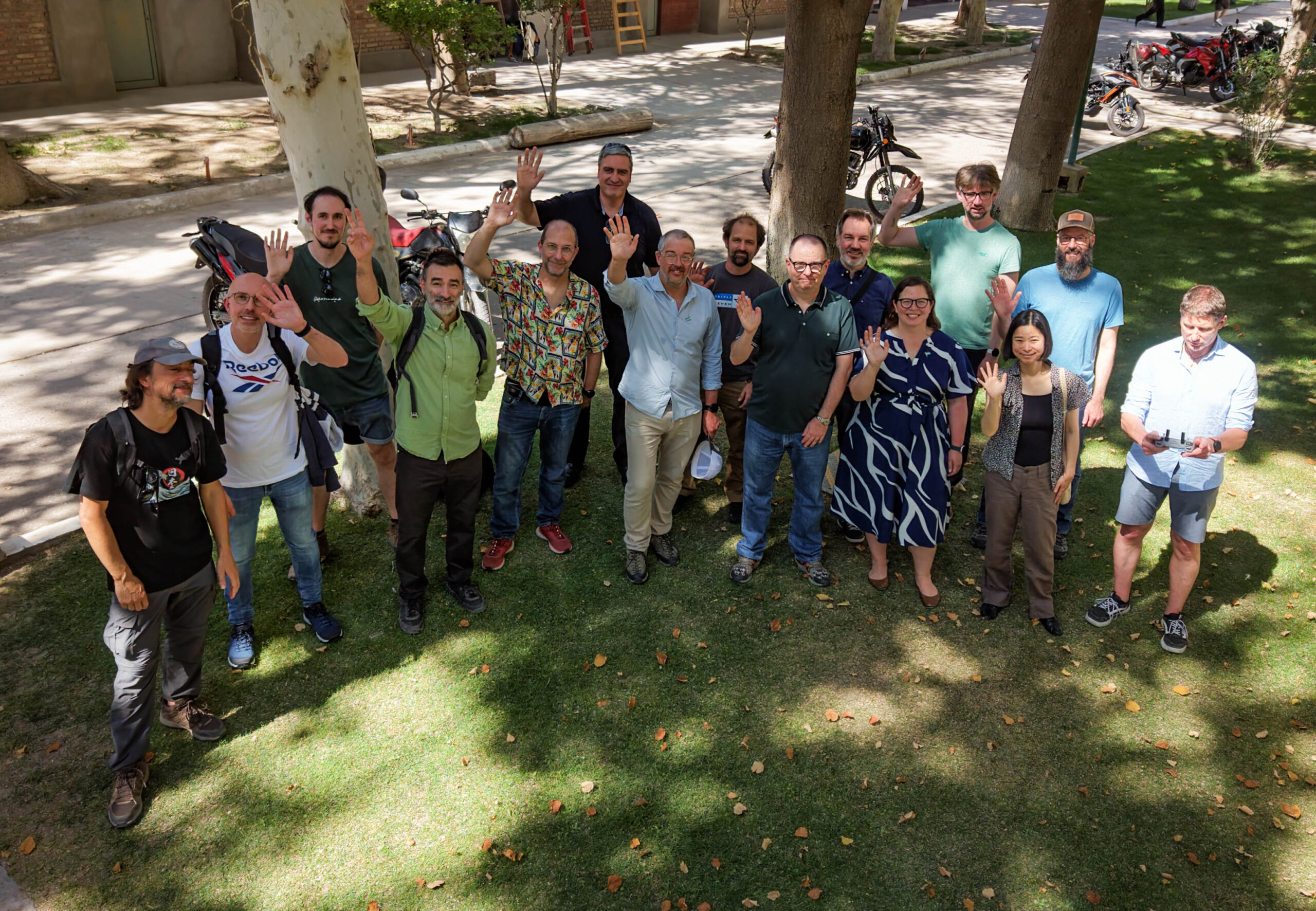
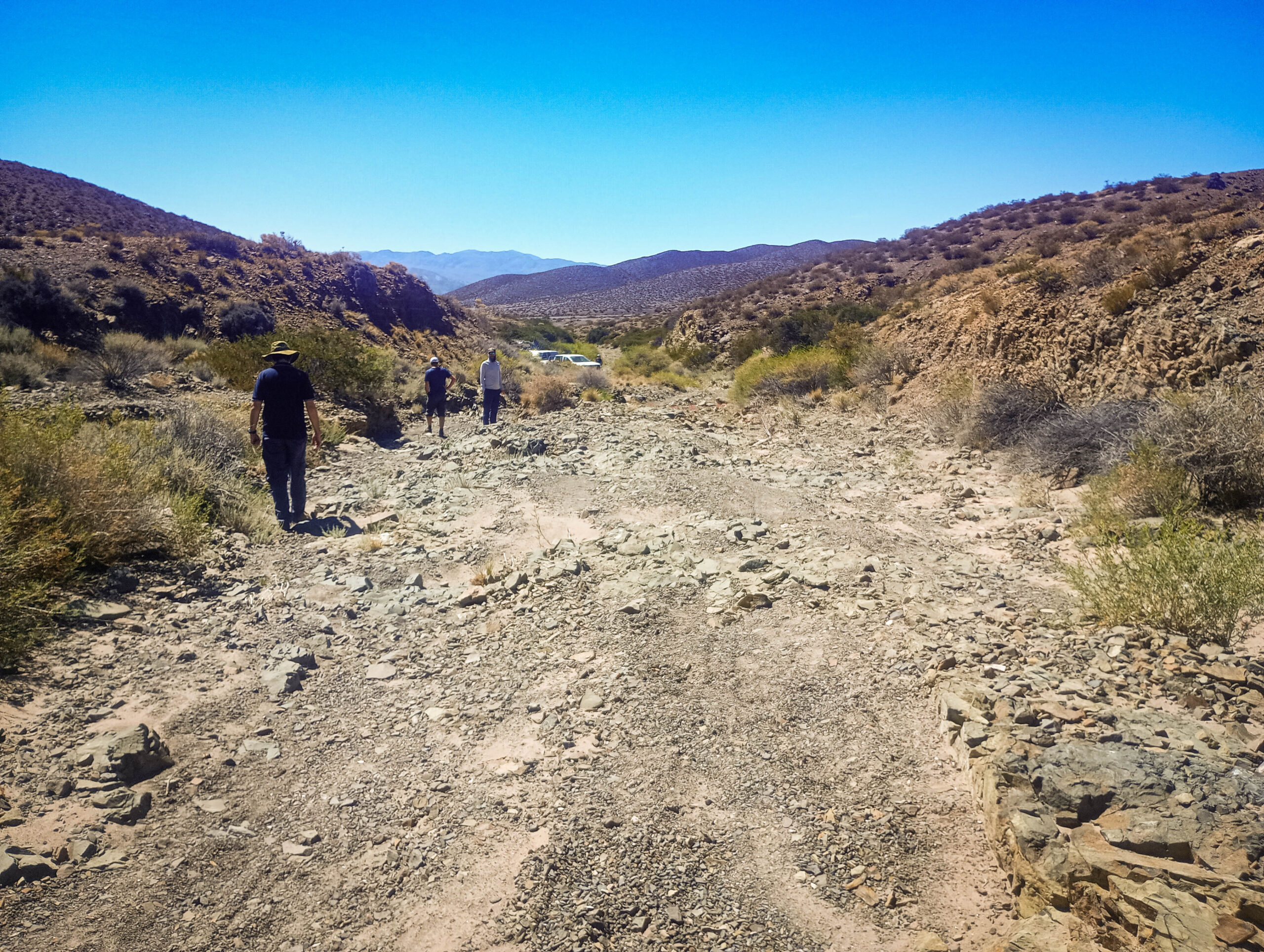
Between late March and early April 2026, a delegation composed of leading scientists from the international consortium of the Hybrid Elevated Radio Observatory for Neutrinos (HERON) visited the province of San Juan, Argentina, with the aim of evaluating potential sites for the installation of this observatory—key for the study of ultra-high-energy astrophysical neutrinos—and engaging with local stakeholders to explore new collaborations.
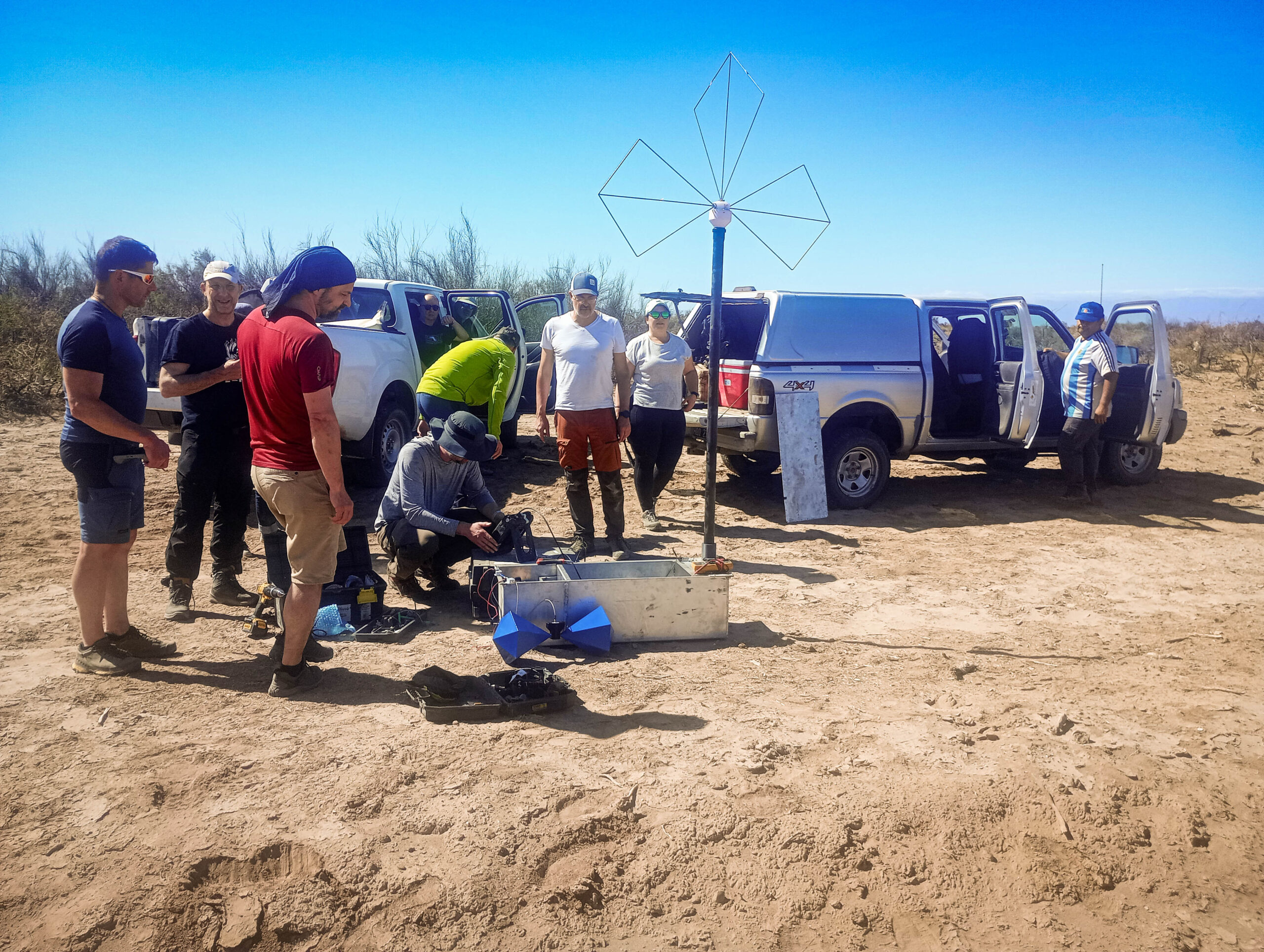
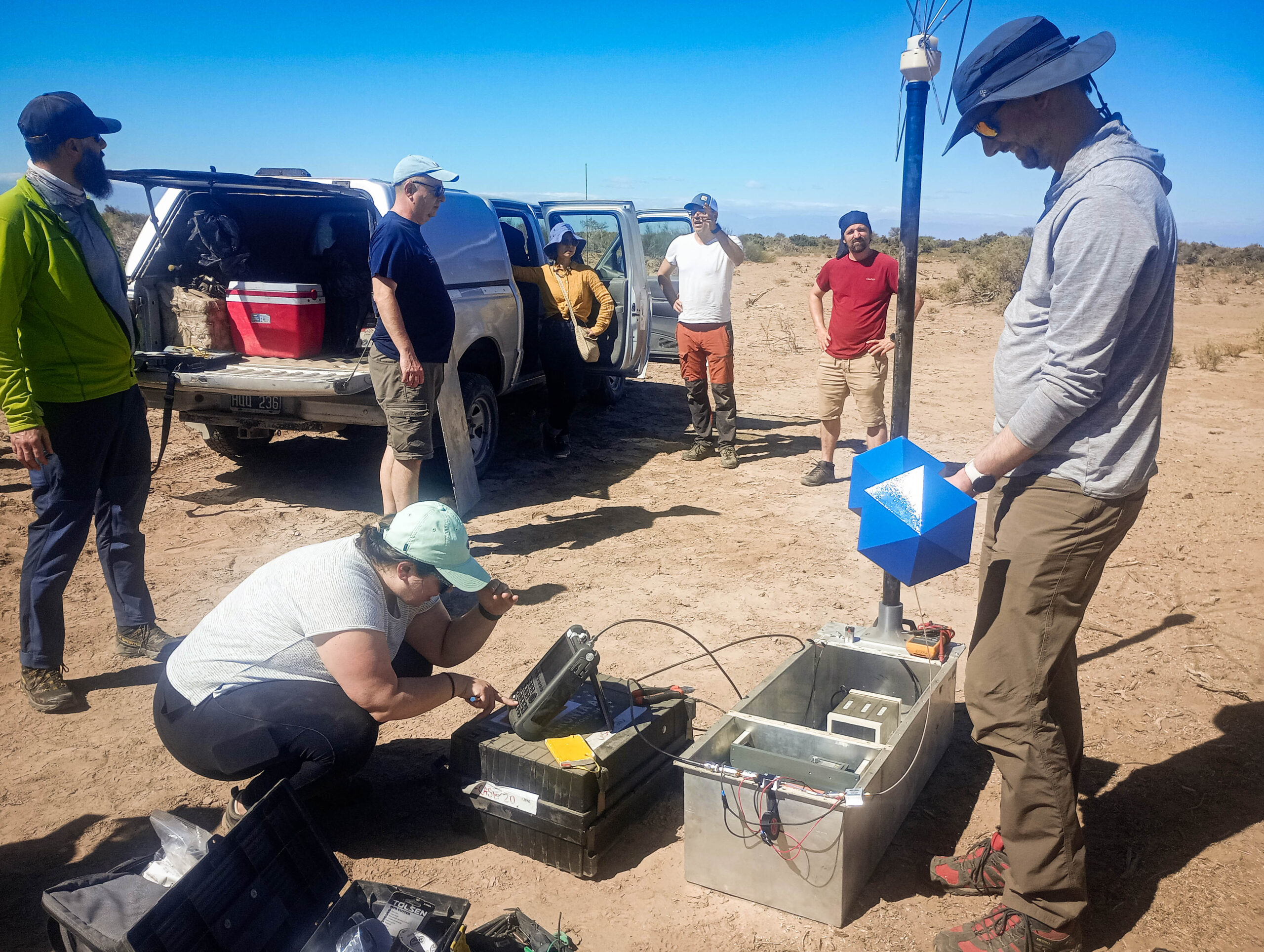
Accompanied by teams from the Institute for Detection Technologies and Astroparticles (ITeDA) and the Balseiro Institute—Bariloche Atomic Center of the National Atomic Energy Commission—the researchers, coming from France, the United States, and Spain, carried out a reconnaissance tour of several areas of interest in the western part of the province. During the visit, they also conducted measurements and data collection, as the geographical characteristics of San Juan’s territory are crucial for the development of the project.
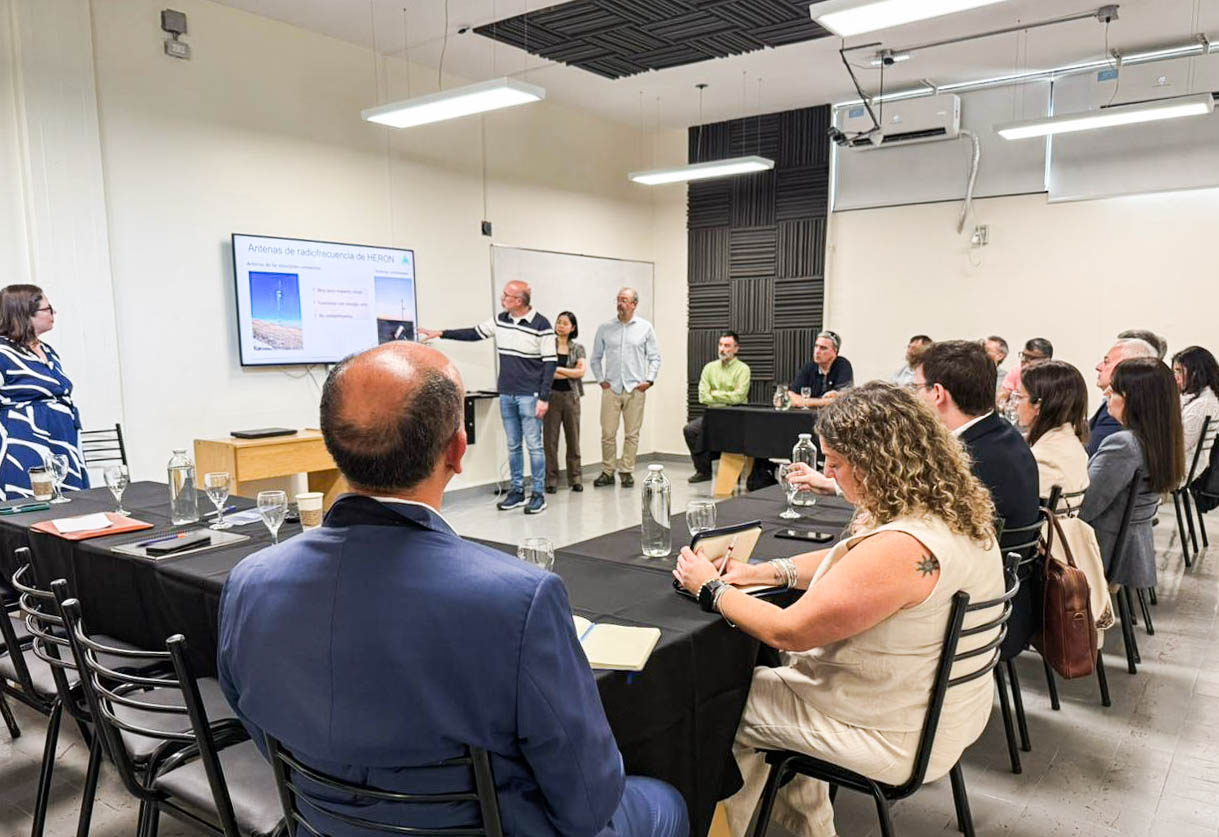
On March 30, as a central part of the mission, the delegation held a meeting with provincial government authorities, representatives from the Scientific and Technological Center (CCT) of CONICET San Juan, and the National University of San Juan (UNSJ) at the School of Engineering. The meeting addressed the opportunities and challenges posed by the project, as well as potential forms of collaboration between provincial public institutions and national organizations already involved in HERON. The goal is for the observatory to be built and operational within six years, supported by a budget of €14 million.
Given the scale of the required infrastructure, the sophistication of the detection equipment, and the complex logistical conditions involved in high-altitude installation, establishing strategic partnerships is essential to carry out the different stages of the project.
The National Atomic Energy Commission (CNEA), which participated in the proposal funded by the European Research Council (ERC) through Dr. Federico Sánchez (Head of Technology and Research in Universe Sciences at CNEA) and Dr. Ingomar Allekotte (Bariloche Atomic Center, CNEA), will work in the coming months on drafting the necessary agreements to formalize the integration of the different institutional sectors. Meanwhile, researchers from the international collaboration will continue advancing the scientific and technological development.
Likewise, collaboration with the academic units of UNSJ is key to establishing a new local consortium of professionals and researchers from diverse fields. Their participation will be essential to optimize the final design of the instrumentation and data acquisition system, build and install the stations, and commission the observatory, which is envisioned as a world-class facility in particle astrophysics and multi-messenger astronomy.
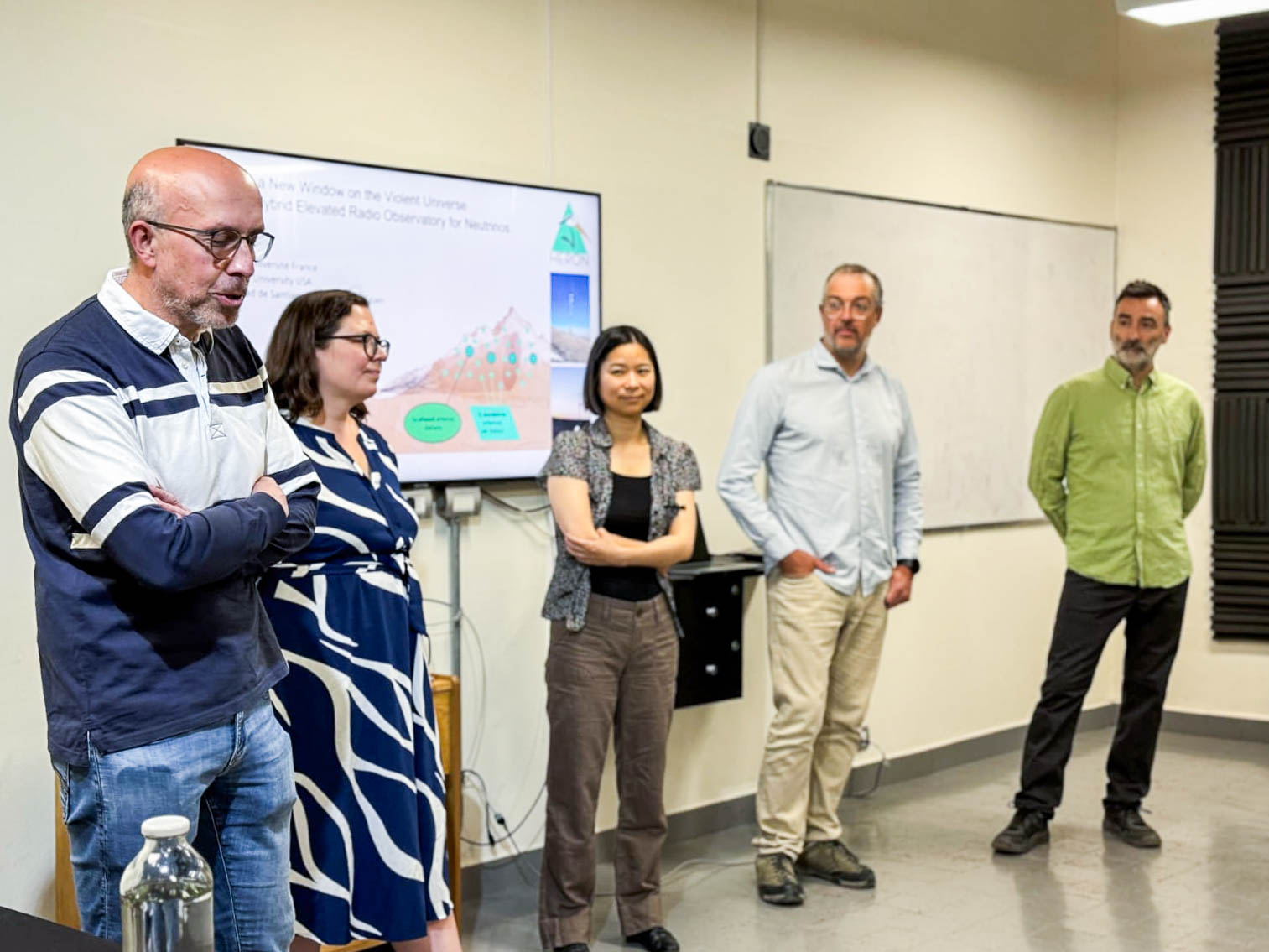
The meeting was attended by Olivier Martineau (LPNHE, Sorbonne University), Kumiko Kotera (IAP, CNRS), Stephanie Wissel (Penn State University), Jaime Álvarez-Muñiz (University of Santiago de Compostela), and Dr. Federico Sánchez (CNEA-ITeDA), representing the HERON collaboration.
Representing the Government of San Juan were Federico Ramos, Director for the Promotion of Scientific and Technological Activity, and Marcela Cuello, Director of Urban Planning and Development. From UNSJ, Vice-Rector Andrea Leceta and Secretary of Science and Technology Pablo Diez were present.
From the School of Engineering, attendees included Vice-Dean Eric Laciar; Secretary for Research Flavio Roberti; Technical Secretary Alejandro Maturano; and Martín Guzzo from the Digital Electronics and Telecommunications Laboratory (LED&T). The CCT San Juan was represented by Deputy Director Alicia Pringles and General Coordinator Germán Norte.
From the Faculty of Exact, Physical and Natural Sciences, Vice-Dean and astronomer Georgina Coldwell and astronomer Federico Podestá, specialized in astroparticles and Deputy Director of OAFA, were also present.